Introduction to Billiards
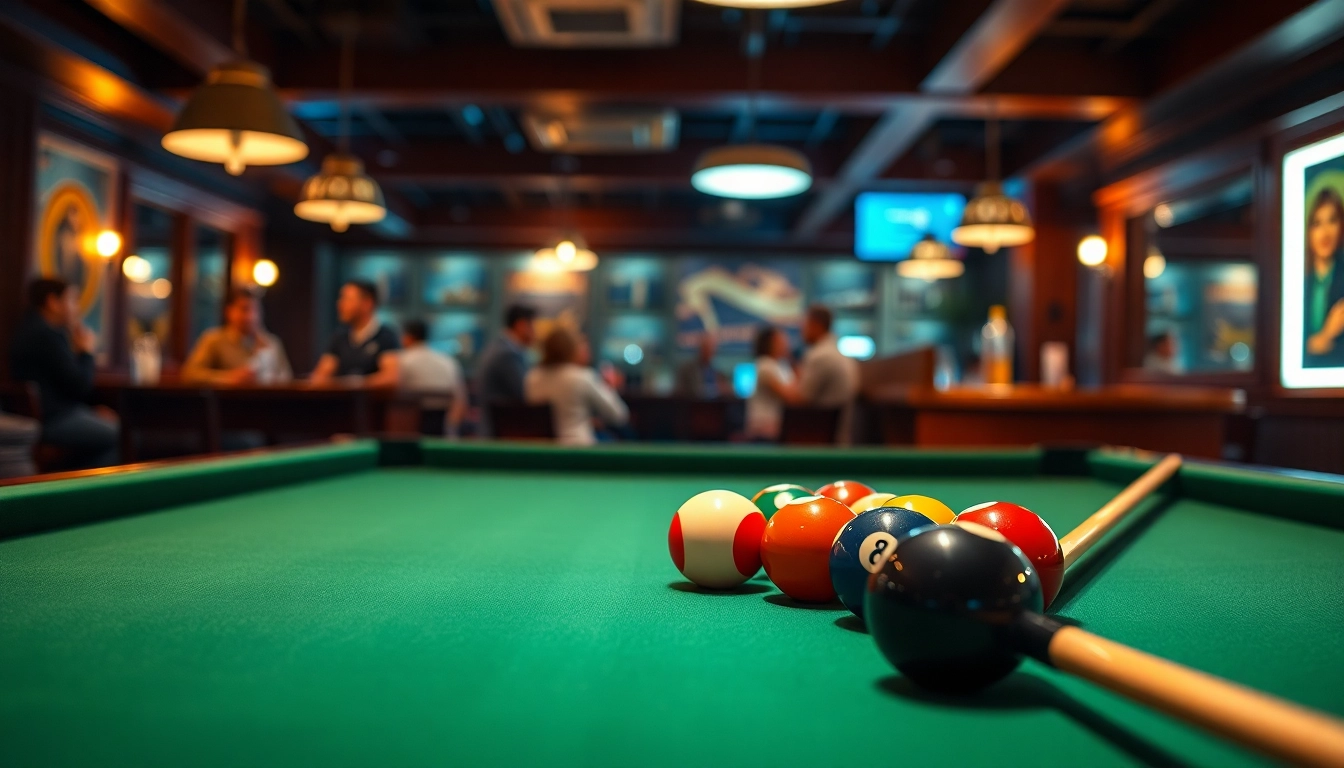
Billiards is not merely a game; it's a blend of strategy, skill, and artistry that has captivated enthusiasts for centuries. As a precision sport played on a rectangular table, it requires a unique set of techniques, strategies, and equipment. In this expansive guide, we will delve deeply into the essentials of Billiards, exploring its history, fundamental techniques, advanced strategies, necessary equipment, and the competitive scene around this engaging pastime. For those seeking to improve their game, understanding Billiards is crucial to an enjoyable experience.
1.1 What is Billiards?
Billiards refers to a range of cue sports played on a rectangular table that is covered in felt, featuring pockets into which players sink balls using a cue stick. While the term is often used generically to describe various games, including pool and snooker, it traditionally refers specifically to the game played without pockets, where players must score points through a combination of skills such as caroms, where players strike balls to score points. This sport emphasizes mental agility and physical coordination.
1.2 History and Evolution of Billiards
The origins of billiards date back to the 15th century in Europe, where it was likely derived from outdoor games similar to croquet. Over the centuries, it evolved significantly, transitioning into an indoor sport as tables and cues were refined. By the 19th century, billiards had established itself as a popular pastime among the nobility, with various formats and rules emerging across different nations. The evolution continued with the introduction of pockets to the tables, leading to games like pool and snooker. Innovations in the materials used for tables and balls, such as synthetic fabrics and plastics, also played a crucial role in increasing the sport's accessibility and entertainment value.
1.3 Importance of Billiards Today
Today, billiards holds a prominent place in recreational play, professional sports, and global competitions. Its accessibility makes it a favorite in homes, bars, and clubs, while professional tournaments showcase the prowess of elite players. Billiards fosters social interactions, strategic thinking, and a sense of community among players, making it a vital part of many social gatherings. Additionally, understanding the game's mechanics and developing proficiency can lead to substantial personal enjoyment and a refined appreciation for this nuanced sport.
Fundamental Techniques in Billiards
Mastering the essential techniques in Billiards is vital for all skill levels. Whether you're a novice or an aspiring professional, these foundational techniques will enhance your game.
2.1 Basic Strokes and Grip
The grip and stroke are fundamental to executing effective shots in Billiards. The grip should be relaxed to allow for smooth strokes while providing enough control. Players typically use a bridge to stabilize their cue during shots, with two primary types: open and closed bridges. An open bridge offers a clear sightline to the ball, while a closed bridge offers more control and stability. Your stroke should be fluid and consistent. Practice your follow-through, which is crucial for controlling the cue ball's speed and spin. The cue should glide through your fingers and finish high, indicating a well-executed stroke.
2.2 Aiming and Focus Strategies
Aiming in Billiards transcends mere sight - it requires a mental map and focus. Players should utilize the ghost ball method, visualizing an imaginary ball that rolls into the target area to gauge angles better. When setting up your shot, consider not only the ball you aim to pocket but the position of the cue ball for successive shots. Additionally, mental focus plays a significant role. Cultivating a pre-shot routine can help enhance concentration and reduce anxiety. Taking a deep breath, visualizing the shot, and allowing yourself to relax can dramatically improve performance over time.
2.3 Practice Drills for Beginners
For beginners, consistent practice is the key to mastering Billiards. Simple drills can promote improvement in various aspects of the game. Start with straight shots aimed at a particular pocket, increasing the distance over time for added difficulty. Another essential drill involves practicing position play by aiming to leave the cue ball in optimal spots for your next shot. As you grow more comfortable, practice bank shots off the cushions, working to create more complex scenarios that strengthen overall play. Tracking your progress through scores can offer insights and motivate further practice.
Advanced Billiards Strategies
Once you've grasped the fundamentals, advanced strategies enable you to stand out in competitive play. These strategies equip you with tools to manipulate the game dynamics.
3.1 Developing Your Own Style
Every player has a unique style, and recognizing yours can enhance gameplay. Observe your strengths and weaknesses to understand what works for you. Do you prefer aggressive shots or safe play? Analyze professional players, taking notes on their tactics and adapting them into your style. Self-awareness can go a long way in developing a distinctive approach. Experiment with different techniques and strategies during practice. This exploration will refine your instincts, enabling you to adapt your style effectively during matches.
3.2 Understanding Spin and Angle
Spin is a critical aspect of advanced Billiards play, affecting how the cue ball interacts with other balls and the table. Mastery of top spin, back spin, and side spin transforms your game. Understanding angles is equally essential; knowing how to control the cue ball’s path and where it will stop after contact can create opportunities for your next shot. Utilize practice routines focusing on spin and banking, where applying the right spin can help you navigate challenging shots and position the cue ball advantageously.
3.3 Break Shots and Positioning
The break shot is one of the most crucial aspects of Billiards, setting the tone for the game. An effective break involves power, precision, and control to spread the balls favorably. Ensuring proper positioning after the break enhances your chances of pocketing subsequent balls. Focus on technique; a solid stance, proper grip, and relaxed execution can lead to effective breaks. Always analyze how to position the cue ball afterwards, ensuring that you set yourself up for the best odds on your next shot.
Billiards Equipment Essentials
Your equipment can significantly influence the way you play Billiards. Knowing what to look for ensures that you have all the right gear to help you succeed.
4.1 Choosing the Right Cue
The cue stick is possibly the most essential piece of equipment in Billiards. Selecting the right cue involves considering weight, material, and balance. Generally, a cue that weighs between 18 to 21 ounces is standard, but personal preference should guide your choice. A properly crafted cue enhances accuracy, with wooden cues providing a classic feel, while fiberglass options offer durability. Test multiple cues to discover what feels most comfortable for your style.
4.2 Selecting Quality Balls and Tables
Quality balls and tables are crucial to achieving the best gameplay experience. Look for balls that feature excellent craftsmanship, typically made from phenolic resin, which provides suitable performance and durability. As for tables, ensure you find one constructed with solid wood and high-quality felt, which enhances speed and responsiveness. A 9-foot table is standard for professional play, though various sizes exist for personal or recreational use.
4.3 Maintenance Tips for Billiards Gear
Proper maintenance of your billiards gear prolongs its life and enhances play. Regularly clean your cue's tip to maintain adequate chalk retention and prevent mis-hits. Additionally, keep your balls clean to ensure consistent roll and reduce wear on your table. Felt should be brushed regularly to remove chalk and debris, which can affect speed and precision. If your felt shows signs of wear, consider replacing it to maintain optimal gameplay conditions.
Competitive Billiards and Tournaments
The competitive side of Billiards draws enthusiasts into a thrilling world of skill and strategy. Understanding how to navigate this space can enhance your experience and performance.
5.1 Rules of Competitive Play
Each format of Billiards has its own set of rules. Familiarize yourself with the specific rules for your game, whether it be carom, nine-ball, or ten-ball. Standard regulations often include guidelines for fouls, scoring, and breaking, which are crucial to understanding the flow of a match. Studying rulebooks and attending live games can provide better insights into competitive play. Always stay updated with changes to rules or formats to maintain an edge.
5.2 Preparing for Tournaments
Preparation is critical for tournament success. Focus your practice sessions on areas that need improvement, and simulate tournament conditions to build confidence. Additionally, mastering mental toughness through visualization techniques and stress management strategies is essential to handle the pressure of competition. Engage in discussions with seasoned players, seeking advice on tournament strategies, and gain insights on how other players approach the game.
5.3 Resources for Competitive Billiards Players
Numerous resources exist for players looking to compete or improve. Join clubs or organizations that specialize in Billiards, accessing player networks and competitive events. Online forums, instructional videos, and books about advanced techniques can also be invaluable. Consider taking lessons from professional instructors to further hone your skills and gain insights into advanced strategies.
Frequently Asked Questions
1. What are the basic rules of Billiards?
The basic rules involve players taking turns to strike the cue ball, attempting to score points by hitting object balls into designated areas. Specific formats have unique scoring and penalty rules.
2. How do I choose my Billiards cue?
Choose a cue based on weight, material, and balance. Test different cues to find one that feels comfortable and suits your playing style.
3. What type of balls are best for Billiards?
Look for balls made of high-quality resin, like phenolic, to ensure durability and consistent performance. Professionally endorsed sets are ideal for serious play.
4. How can I improve my aiming in Billiards?
Use the ghost ball method to visualize your shots. Practice consistently and develop a pre-shot routine to strengthen focus and accuracy.
5. What is the best way to prepare for a Billiards tournament?
Practice regularly, simulate tournament conditions, and focus on mental preparation. Study rules thoroughly and learn strategies from experienced players.
Contact Information
Call Us: +1 615-624-7821Email: [email protected]Address: 1276 Northwest Broad Street, Murfreesboro, TN, USA