
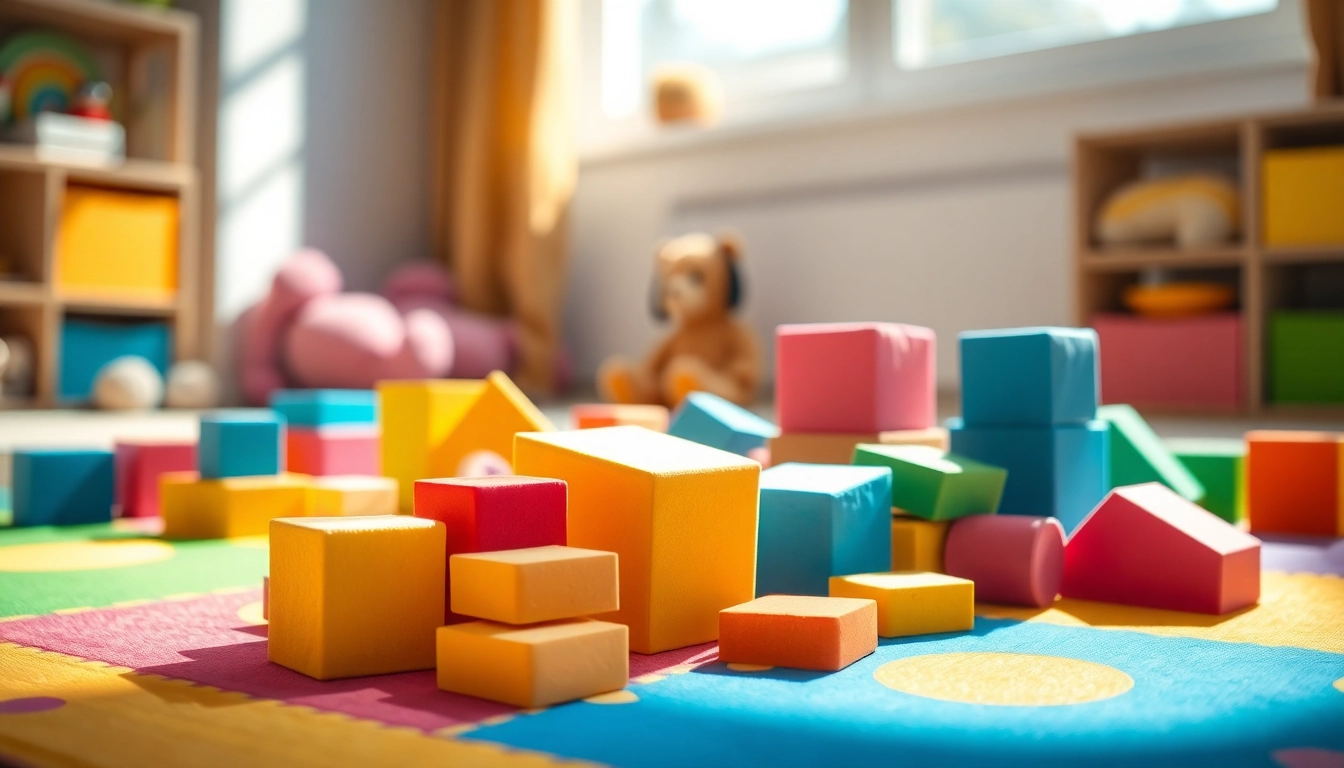
Introduction to Soft Foam Building Blocks
Soft foam building blocks have emerged as a staple in children's playtime activities, celebrated for their safety, versatility, and developmental benefits. These lightweight yet sturdy blocks offer endless opportunities for creativity and skill development. Whether used at home, in classrooms, or playgrounds, soft foam blocks facilitate interactive and imaginative play. To explore various options and ideas surrounding these remarkable toys, read more here about the best types and applications.
What Are Soft Foam Building Blocks?
Soft foam building blocks are lightweight, colorful blocks made from soft and durable foam material. Designed for young children, these blocks are typically non-toxic and free from harmful chemicals, making them safe for toddlers to handle. Their soft texture allows for safe play without the risk of injury, which is crucial during those early years of development. Available in various sizes, shapes, and colors, these blocks can be used to construct everything from simple towers to complex structures, stimulating children's imaginations while they play.
The Benefits of Soft Foam Blocks
Soft foam blocks provide numerous benefits that extend beyond just entertainment. Here are some significant advantages:
- Safety: Their soft material minimizes the risk of injury during play, making them suitable for kids of all ages.
- Developmental Skills: Playing with foam blocks helps children develop fine motor skills, enhance their hand-eye coordination, and boost spatial awareness.
- Creativity and Imagination: The versatility of blocks allows children to create various structures, promoting imaginative and creative play.
- Social Skills: When used in group settings, these blocks encourage collaboration, communication, and teamwork among children.
- Educational Value: Foam blocks can be used in learning activities that teach concepts such as balance, gravity, and shapes.
Choosing the Right Blocks for Your Child
When selecting soft foam building blocks for your child, consider the following factors:
- Age Appropriateness: Ensure the blocks are suitable for your child's age group. For example, blocks with small pieces may not be ideal for infants.
- Material Quality: Choose blocks made from high-quality, non-toxic foam that meets safety standards.
- Variety: Look for sets that include various shapes and sizes to stimulate creativity and problem-solving.
- Storage: Consider storage solutions, as some sets come with bags or containers for easy organization.
Playtime Activities with Soft Foam Blocks
Building Structures and Creativity
Encouraging children to build with soft foam blocks allows them to explore architectural concepts and express their creativity. Here are a few engaging activities:
- Stacking Competitions: Challenge children to see who can build the tallest tower without it toppling over. This activity enhances their understanding of balance.
- Theme-Based Structures: Encourage kids to replicate famous landmarks or design their own imaginative buildings based on themes, such as castles or futuristic cities.
- Color Coordination: Play games where children must build structures using specific colors, promoting color recognition and sorting skills.
Incorporating Games and Challenges
Adding games and challenges to playtime can make using soft foam blocks even more enjoyable and educational:
- Obstacle Courses: Use foam blocks to create an obstacle course where children must navigate around, through, or over the blocks to improve physical coordination and problem-solving skills.
- Timed Building Challenges: Set a timer and see who can build a structure of a certain height or design in a given timeframe to promote quick thinking.
- Memory Games: Arrange blocks in a certain order, then have children replicate the arrangement after a brief observation, enhancing memory and focus.
Engaging Group Play Ideas
Foam blocks excel at fostering group play, allowing children to learn important social skills while having fun:
- Group Building Projects: Facilitate projects where children must work together to create a large structure, helping them practice teamwork and communication.
- Role-Playing: Use blocks in imaginative play scenarios where children can role-play as architects, builders, or city planners.
- Collaborative Storytelling: As kids build, encourage them to create a story related to their construction which promotes language skills and imagination.
Safety Considerations for Play
Understanding Material Safety Standards
When choosing soft foam building blocks, it is essential to ensure they comply with safety standards. Look for certifications such as ASTM and EN71, which indicate that the product has undergone rigorous testing for safety. Blocks should be free from phthalates, BPA, and lead, making them safe for children. Additionally, it is advisable to check for any potential choking hazards, particularly for younger children.
Age-Related Safety Tips
Children develop at different rates, so it is vital to choose blocks corresponding to their developmental stage:
- Infants (1-3 years): Choose larger blocks that are easy to grasp and pose no choking risk.
- Preschoolers (3-5 years): Select blocks of varied shapes and sizes, encouraging more complex building while ensuring safety.
- Older Children (5+ years): Opt for advanced sets that promote creativity and problem-solving, but ensure they are still safe for younger siblings who may be present.
Creating a Safe Play Environment
Establishing a safe environment for children to enjoy their soft foam blocks is paramount. Consider the following measures:
- Soft Play Area: Use mats or soft carpeting where children can play without risk of falling on hard surfaces.
- Supervision: Always supervise playtime to ensure children are using the blocks safely and not engaging in dangerous behaviors.
- Regular Inspection: Frequently check the condition of foam blocks for wear and tear, replacing any damaged pieces to maintain safety.
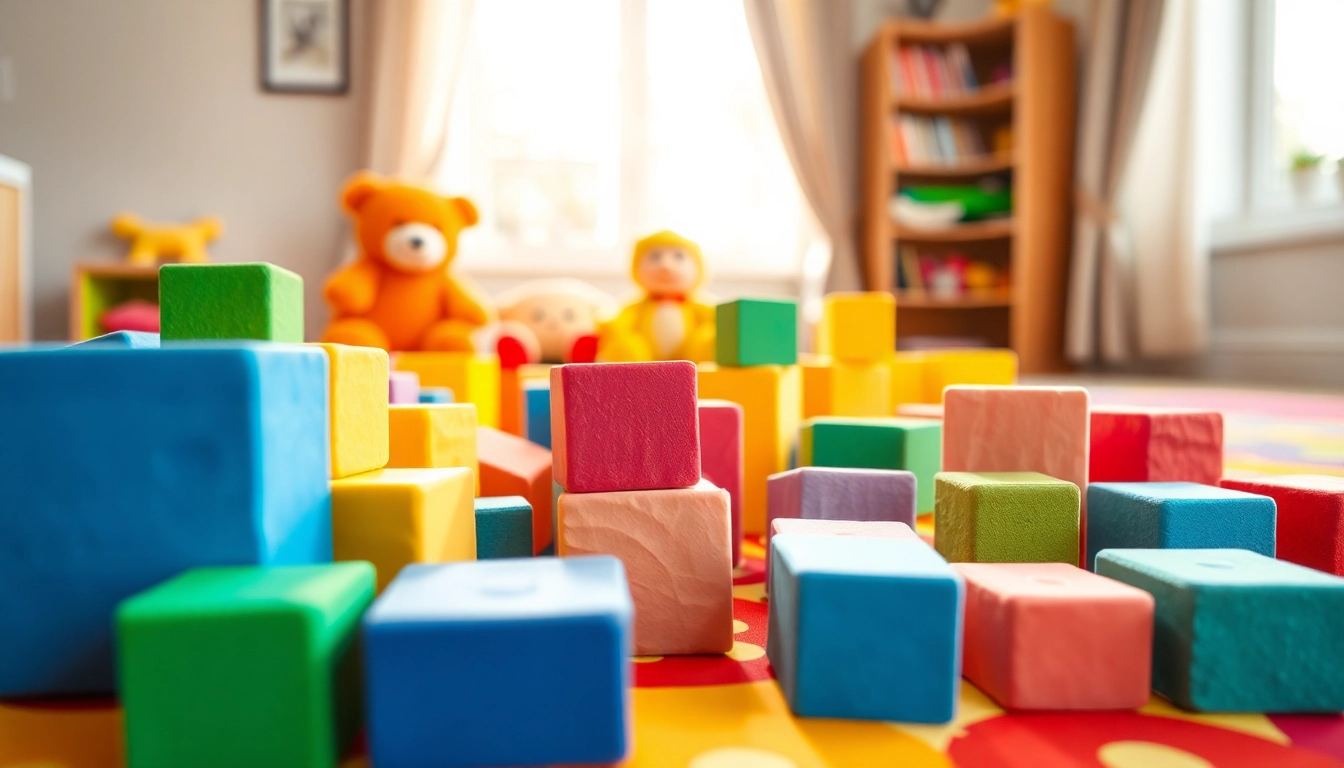
Maintaining and Cleaning Soft Foam Blocks
Best Practices for Cleaning
Maintaining hygiene is crucial, especially considering how often children’s toys can become dirty:
- Mild Soap Solution: Use a damp cloth with mild soap to wipe down the blocks regularly, ensuring they are disinfected without harmful chemicals.
- Drying: After cleaning, allow the blocks to air dry completely to prevent mold and mildew growth.
- Wipe Down After Each Use: Encourage a routine of cleaning the blocks after each play session, teaching children the importance of hygiene.
Storing Your Foam Blocks
Proper storage extends the life of soft foam blocks:
- Storage Bins: Store blocks in labeled bins or baskets, making them easy to find and return to after play.
- Organizing by Size: Keeping blocks sorted by size or color can help children learn organization skills while making cleanup easier.
- Temperature Control: Store in a cool, dry place to ensure the material remains intact and usable over time.
Extending the Life of Your Blocks
To keep soft foam blocks in great condition, consider these tips:
- Rotate Use: Rotate blocks in and out of play to reduce wear and ensure all blocks are used evenly.
- Avoid Excessive Sunlight: Keep blocks out of direct sunlight, as prolonged exposure can lead to fading and degradation.
- Repair Minor Damage: If any blocks become slightly torn or damaged, consider repairing them with fabric-safe adhesive to prolong their lifespan.
FAQs About Soft Foam Building Blocks
What are the best materials for soft foam blocks?
Look for BPA-free, non-toxic materials that comply with safety standards for children's toys.
At what age can children start playing with soft foam blocks?
Children from 1-year-old can safely use soft foam blocks, but always supervise play.
Can soft foam blocks be painted?
It’s not recommended to paint them, as it can compromise the material and safety; use colorful ones instead.
How to clean soft foam building blocks?
Use a damp cloth with mild soap to wipe off dirt, ensuring they dry completely before storage.
Do soft foam blocks provide good educational value?
Absolutely! They foster motor skills, spatial awareness, and creativity in children during play.