
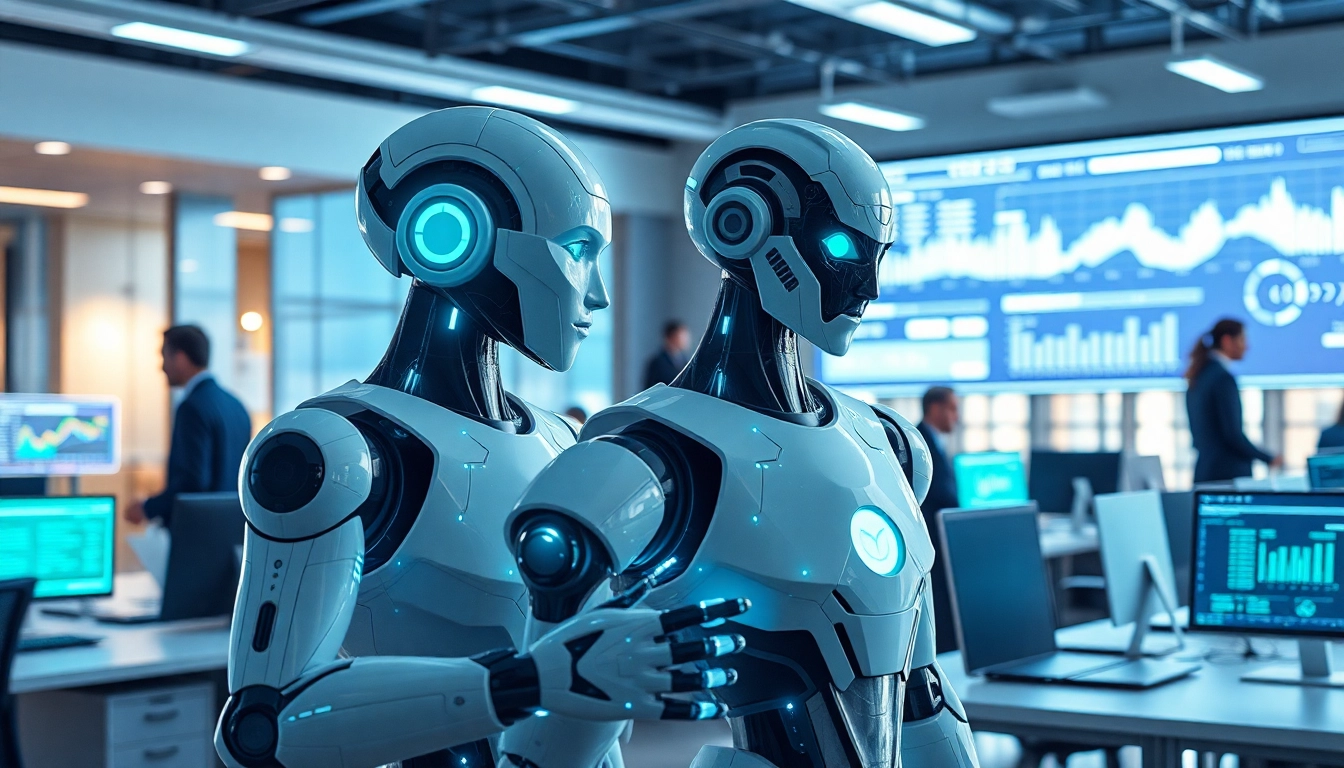
In the rapidly evolving digital landscape, the integration of Ai Bots into various sectors has emerged as a game-changer. These intelligent systems are redefining traditional business operations through smart automation and enhanced user engagement. From streamlining tasks to improving customer service, understanding Ai Bots is essential for businesses aiming to stay competitive in the market. This article will delve into the breadth of Ai Bots, elucidate their benefits, address challenges, showcase best practices for their development, and predict their future in the business realm.
Understanding Ai Bots: Definition and Capabilities
What Are Ai Bots?
Ai Bots, or artificial intelligence bots, are software applications that use machine learning algorithms and natural language processing (NLP) to automate tasks that typically require human intelligence. Operating autonomously or semi-autonomously, they can communicate with users, retrieve information, and perform a variety of functions across platforms. They exist in various forms, including chatbots, virtual assistants, and digital agents, each designed with specific functionalities to enhance user experience.
Core Functions of Ai Bots
The core functions of Ai Bots can be classified into several categories:
- Conversation Processing: Utilizing NLP to understand and generate human-like responses.
- Information Retrieval: Accessing and presenting relevant information from databases and online resources.
- Task Automation: Performing repetitive tasks like scheduling or data entry without human intervention.
- Predictive Analytics: Leveraging data to forecast user behavior and trends to enhance service offerings.
- Integration: Connecting with various platforms and APIs to deliver seamless user experiences.
How Ai Bots Enhance User Interaction
Ai Bots enhance user interaction by providing instant responses, personalized experiences, and 24/7 availability. Unlike traditional customer service channels that rely on human agents, Ai Bots can address user queries immediately, reducing wait times and improving satisfaction. Additionally, their ability to analyze past interactions allows them to offer tailored recommendations and solutions, thereby creating a more engaging and user-centric environment.
Benefits of Integrating Ai Bots in Daily Operations
Streamlining Repetitive Tasks with Ai Bots
One of the most significant advantages of implementing Ai Bots is their ability to automate repetitive tasks. Businesses often face a high volume of mundane activities, such as data entry, scheduling, and follow-up communications. By deploying Ai Bots to handle these tasks, companies can free up valuable human resources, enabling employees to focus on higher-level strategic functions. For instance, an Ai Bot could manage appointment scheduling for a busy healthcare practice, allowing staff to dedicate time to patient care.
Ai Bots in Customer Service
In customer service, Ai Bots serve as the frontline solution for addressing inquiries and resolving issues effectively. Research indicates that a significant percentage of customers prefer to interact with Bots due to their promptness. They can serve multiple clients simultaneously, work around the clock, and provide consistent answers to frequently asked questions. This leads to higher customer satisfaction scores and loyalty, as users appreciate quick solutions without the stress of long wait times.
Reducing Operational Costs through Ai Bots
Integrating Ai Bots can substantially lower operational costs by minimizing the need for extensive human labor in various functionalities. According to recent studies, companies that utilize Ai Bots effectively can reduce customer service costs by as much as 30%. Additionally, these bots can handle tasks that would require several employees, which further translates into reduced overheads, streamlined processes, and enhanced productivity, ensuring that businesses can allocate financial resources more strategically.
Challenges When Implementing Ai Bots
Common Misconceptions about Ai Bots
Despite their advantages, misconceptions about Ai Bots often lead to misunderstandings in implementation. A prevalent belief is that Ai Bots will replace human workers entirely. In reality, Ai Bots are designed to complement human efforts by taking over mundane tasks, allowing employees to focus on more complex and value-generating activities. By debunking these myths, organizations can better prepare for successful Ai Bot integration.
Technical Hurdles in Deployment
Implementing Ai Bots isn’t devoid of technical challenges, particularly regarding development and integration. Companies might struggle with selecting the right technology stack, ensuring compatibility with existing systems, or managing data privacy concerns. To mitigate these issues, organizations need to establish a clear strategy that includes an assessment of current infrastructure and potential partnership with Ai technology providers.
User Resistance to Ai Bots
Many employees may exhibit resistance to adopting Ai Bots due to fear of job displacement or unfamiliarity with new technologies. To overcome this, businesses should invest in training programs that help employees understand the collaborative role Ai Bots will play in elevating their work. Fostering a culture that values innovation and continuous learning can also encourage acceptance and ease integration.
Best Practices for Effective Ai Bots Development
Designing User-Centric Ai Bots
When developing Ai Bots, a user-centric approach is paramount. Understanding the target audience’s needs, preferences, and pain points will guide the design process. Conducting user research, creating user personas, and testing Ai Bots with real users can provide valuable insights into creating effective, engaging interactions that resonate with users.
Continuous Learning Mechanisms for Ai Bots
Ai Bots should feature continuous learning mechanisms that allow them to improve over time. By leveraging machine learning techniques, bots can analyze user interactions, drawing insights that inform better responses and services. Regular updates and refinements based on feedback and data analysis will enhance the bot's intelligence, ensuring it remains relevant and effective.
Testing and Feedback Loops for Ai Bots
Before rolling out an Ai Bot, extensive testing is essential to ensure functionality, user experience, and problem resolution capabilities. Implementing feedback loops, where users can provide input about their interactions with the bot, creates opportunities for continuous improvement. Organizations should encourage ongoing feedback to help refine and enhance bot performance consistently.
Future of Ai Bots in Business
Emerging Trends in Ai Bot Technology
The future of Ai Bots lies in their ability to evolve and adapt to changing user behaviors and business needs. Emerging trends include the increased use of AI-enhanced contextual understanding, enabling Bots to provide even more personalized interactions. Additionally, advancements in voice recognition and augmented reality will likely shape the next generation of Ai Bots, allowing for more immersive user experiences.
Forecasting Ai Bot Capabilities
The capabilities of Ai Bots are expected to expand significantly with future technology advances. Predictive analytics will allow these Bots to anticipate user needs and preferences proactively, while sentiment analysis will enable them to gauge customer emotions and modulate responses accordingly. Such developments will create a more responsive and intuitive interaction ecosystem.
Preparing Your Business for Ai Bots
To prepare for the future of Ai Bots, businesses should focus on building a robust infrastructure and fostering an innovative culture. Investing in the right technologies and forming partnerships with Ai specialists will be crucial. Additionally, embedding change management practices will help ease the transition as Ai Bots become integrated into daily operations, ultimately driving valuable outcomes.
FAQs
1. What are Ai Bots?
Ai Bots are software applications using artificial intelligence to perform tasks that typically require human intelligence, such as conversation and data processing.
2. How can Ai Bots benefit customer service?
Ai Bots can enhance customer service by providing immediate responses, handling multiple inquiries simultaneously, and delivering consistent information round-the-clock.
3. Are Ai Bots replacing human jobs?
No, Ai Bots are designed to complement human efforts, automating repetitive tasks and allowing humans to focus on more strategic activities.
4. What challenges are associated with implementing Ai Bots?
Challenges include technical hurdles, misconceptions about AI, and user resistance. Effective training and integration strategies can help mitigate these issues.
5. How do I prepare my business for Ai Bots?
Prepare by investing in technology, fostering an innovative culture, and developing a clear strategy for integrating Ai Bots into your operations.