
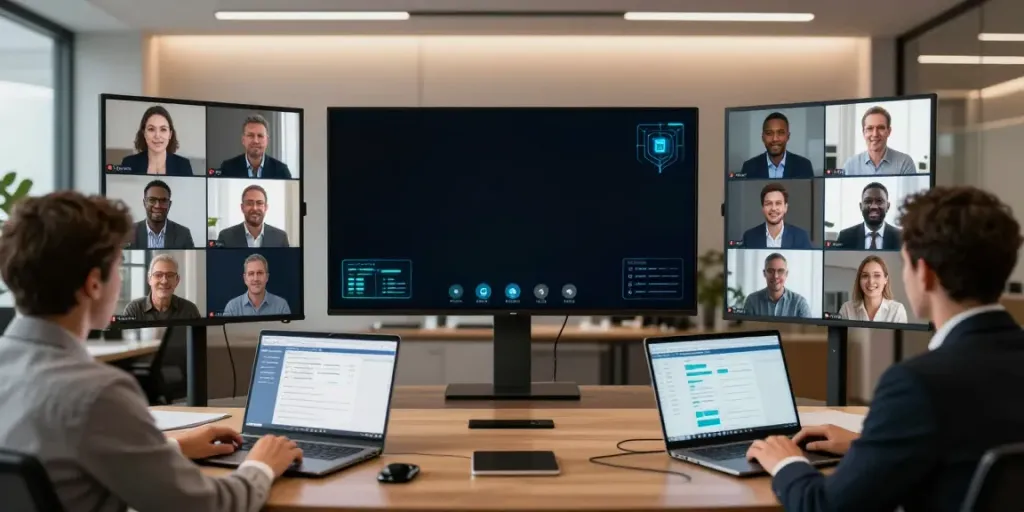
Understanding Deepfake Technology
As digital communication becomes a cornerstone of professional interaction, a new wave of technological advancements raises significant security concerns. One such advancement is the emergence of deepfake technology, a tool capable of creating hyper-realistic audio and video impersonations. This compelling capability offers both innovative prospects and serious threats, especially in the context of virtual meetings. As we delve into deepfake-protected meetings, it is essential to understand what deepfakes are and the implications they carry for organizations globally.
What Are Deepfakes and How Do They Work?
Deepfakes are synthetic media generated by artificial intelligence (AI) that can convincingly mimic real individuals' voices and appearances. This technology relies on advanced machine learning techniques, particularly deep learning, to analyze and replicate patterns in video and audio data. By training on vast datasets of original content, deepfake software can produce highly realistic imitations of people, often indistinguishable from genuine media.
The Role of AI in Deepfake Creation
AI plays a pivotal role in the creation of deepfakes, utilizing algorithms known as neural networks. These networks can be trained on large amounts of data, including images and videos, to learn how to replicate facial expressions, voice intonations, and mannerisms. The resulting deepfakes can be employed for various purposes, from entertainment to malicious impersonation, presenting substantial challenges in ensuring trustworthy virtual interactions.
Common Misconceptions About Deepfake Technology
Despite their growing prevalence, several misconceptions surround deepfake technology. One common belief is that deepfakes are solely used for malicious purposes. While they can be weaponized for fraud and misinformation, deepfakes can also serve positive uses, such as in film production or virtual reality applications. Understanding the dual-edged nature of this technology is critical when discussing solutions for deepfake-protected meetings.
Identifying Risks in Virtual Meetings
As organizations increasingly rely on virtual meetings for strategic discussions, the risks associated with deepfake technology have become a significant concern. The potential for deepfake attacks to compromise sensitive information and erode trust is paramount, urging companies to implement robust security measures.
The Threat Landscape of Deepfake Attacks
Deepfake attacks pose various threats to virtual meetings, including deception, fraud, and corporate espionage. Attackers can use deepfake technology to impersonate executives or key stakeholders, potentially manipulating discussions or gaining unauthorized access to confidential information. The anonymity provided by the digital environment further complicates the detection of such fraudulent activities.
Real-World Examples of Deepfake-Related Incidents
Several high-profile incidents have illustrated the dangers posed by deepfake technology in professional settings. For instance, reports have documented cases where criminals impersonated CEOs using deepfake audio to authorize fraudulent wire transfers. These incidents underscore the urgency for businesses to adopt deepfake protection strategies and educate employees about recognizing suspicious activities.
How Deepfake Technology Compromises Trust
Trust is vital in any organization, especially when it comes to virtual interactions. The rise of deepfake technology threatens to undermine this foundational element by making it difficult to ascertain the authenticity of digital communications. As more deepfakes circulate, skepticism may grow, leading to hesitance in communication and collaboration and ultimately hampering organizational efficiency.
Implementing Deepfake Protection Strategies
In light of the risks associated with deepfake technology, organizations must implement effective protection strategies to safeguard their virtual meetings. By prioritizing security and employee education, companies can mitigate the risks posed by these emerging threats.
Best Practices for Securing Virtual Meetings
To secure virtual meetings, organizations should establish and follow strict protocols, such as:
- Using secure video conferencing platforms with encryption
- Implementing two-factor authentication for meeting access
- Educating employees about the signs of deepfake media
- Regularly updating software and security protocols
Choosing the Right Deepfake Detection Technology
Investing in deepfake detection technology is crucial for organizations aiming to enhance their meeting security. Solutions range from advanced AI algorithms designed specifically to identify deepfake content to software that can verify the authenticity of video feeds in real time. Understanding the strengths and weaknesses of each option is essential for making an informed decision that aligns with organizational needs.
Creating a Culture of Awareness and Vigilance
Ultimately, fostering a culture of awareness and vigilance is paramount in combating deepfake threats. Organizations should conduct regular training sessions, encouraging employees to remain skeptical of unexpected or unusual communications. This proactive approach can help create a more secure environment, where individuals feel empowered to question authenticity and report suspicious content.
Legal and Ethical Considerations
The rise of deepfake technology necessitates a closer examination of the associated legal and ethical implications. As organizations strive to protect themselves, understanding these considerations can help navigate the complexities of deepfake use in professional environments.
The Evolving Legal Framework Surrounding Deepfakes
As deepfake technology becomes more prevalent, legislators are beginning to establish legal frameworks to address its implications. Laws may vary by region, but many jurisdictions are focusing on the unauthorized use of deepfakes for malicious purposes, including fraud and defamation. Being aware of applicable laws can help organizations mitigate legal risks while implementing security measures.
Ethical Implications for Organizations
Organizations must also consider the ethical implications of using deepfake technology. While it may offer unique marketing and communication opportunities, the potential for misuse raises significant ethical concerns. Maintaining a clear ethical stance on the use of deepfakes can help organizations safeguard their reputation and uphold stakeholder trust.
Balancing Innovation with Privacy Concerns
In a rapidly evolving technological landscape, organizations must balance the benefits of innovation with the necessity of protecting privacy. As deepfake technology advances, companies must remain vigilant about how they use this technology and ensure that it does not infringe on individual rights or lead to unintended consequences.
The Future of Deepfake-Protected Meetings
As we look ahead, the future of deepfake-protected meetings will undoubtedly be shaped by advancements in technology and the growing understanding of deepfake implications. Organizations that proactively address these challenges will be better positioned to maintain trust and security in their digital communications.
Anticipated Trends in 2026 and Beyond
By 2026, we can expect several trends to emerge in the realm of deepfake protection, including:
- Enhanced detection technologies leveraging machine learning
- Stricter regulations governing the use of synthetic media
- Increased investment in employee education and training
- Development of industry standards for video conferencing security
The Impact of Emerging Technologies
Emerging technologies, such as blockchain and advanced encryption methods, may play a crucial role in enhancing security protocols for virtual meetings. By leveraging these innovations, organizations can create more resilient systems capable of adapting to the evolving landscape of deepfake threats.
Preparing Organizations for Future Challenges
To effectively prepare for the challenges posed by deepfake technology, organizations must prioritize ongoing education, investment in security resources, and adherence to evolving legal standards. By adopting a proactive approach, companies can navigate the complexities of deepfake-protected meetings and maintain trust in their communications.