Introduction to North American Rail Services
As the backbone of transportation in North America, the rail services sector plays a pivotal role in the continent's economy and infrastructure. From the seamless movement of goods to the connectivity of communities, North American rail services embody a rich history and innovative future. Understanding this multifaceted industry requires a deep dive into its functioning, structure, and the challenges it faces.
What Are Rail Services?
Rail services encompass a wide range of operations that utilize rail infrastructure to transport goods and passengers. This includes freight services for various cargo types, passenger services for commuting and travel, and intermodal transport solutions that combine rail with other transport modalities. Rail systems are largely organized and operated by numerous regional and national companies, each contributing to a vast network that connects urban centers, rural areas, and international borders.
The Importance of Rail in North America
The significance of rail services in North America cannot be overstated. They are a reliable, efficient, and environmentally friendly means of transport that handles approximately 40% of intercity freight. Rail transport helps ease road congestion, reduces greenhouse gas emissions, and enables the safe transit of close to 40% of all U.S. freight goods, including coal, agricultural products, and manufactured goods. The rail system acts as a catalyst for regional economic development, offering jobs and enabling trade across both borders.
Overview of Rail Infrastructure
The rail infrastructure in North America comprises an extensive network of tracks, signaling systems, bridges, and terminals. The United States alone is home to over 138,000 miles of active track, one of the largest rail networks globally. This infrastructure supports not only freight and passenger services but also plays a crucial role in national security and emergency response by providing rapid movement of personnel and supplies. However, much of this infrastructure requires continuous maintenance and updates to meet modern demands.
Types of North American Rail Services
Freight Rail Services
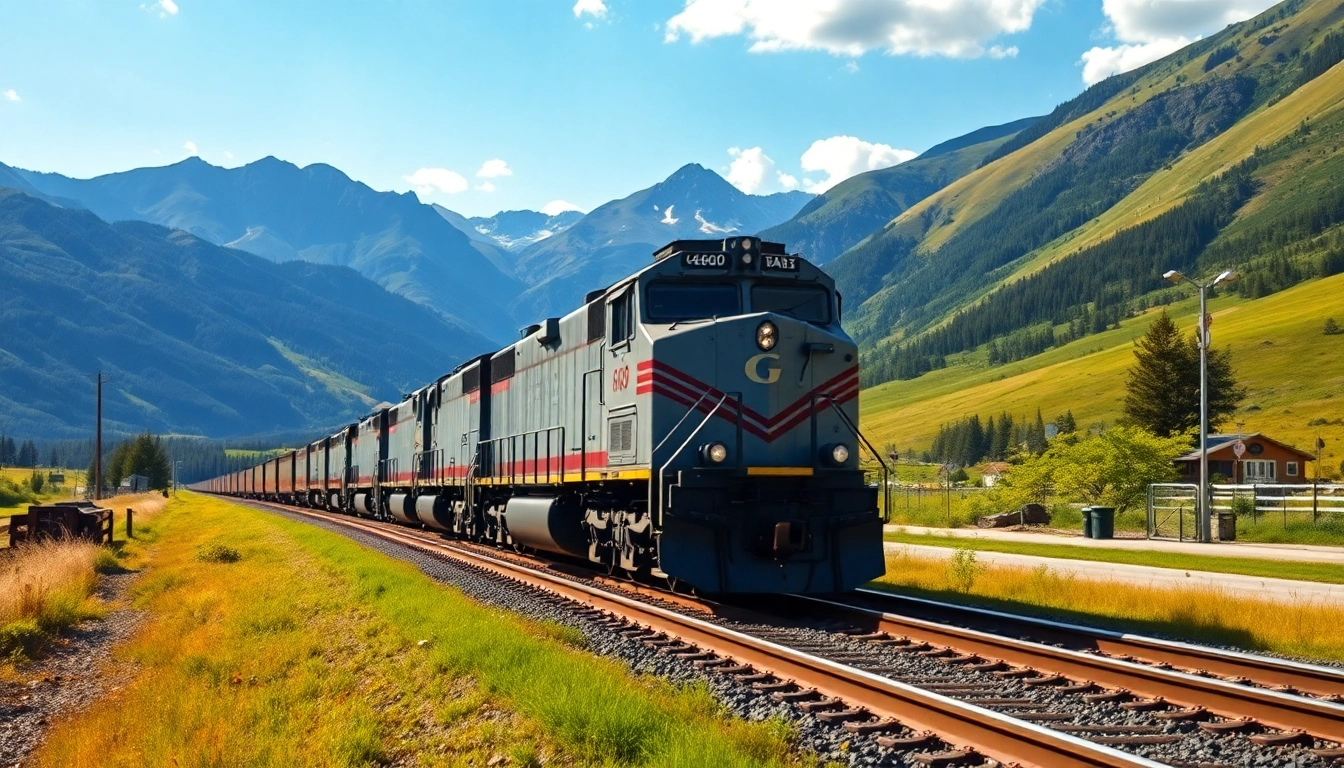
Freight rail services are the lifeblood of the North American economy, moving more goods over longer distances than any other mode of land transport. Rail freight services have specialized cars for various cargo types, including bulk commodities like coal and grains, automobile manufacturing, and intermodal containers. The efficiency of rail systems in freight transport lies in their ability to carry large volumes with lower fuel consumption compared to trucks. This section delves into the leading freight corridors, class I railroads, and regional carriers that facilitate trade.
Passenger Rail Services
Passenger rail services in North America primarily include commuter services, long-distance travel routes, and regional services. Amtrak, the nation's primary intercity passenger rail service, operates across numerous routes, connecting urban areas while providing an alternative to highways and airports. Commuter rail services also play a critical role in urban traffic solutions, frequently connecting suburbs to major metropolitan areas. This segment explores ridership trends, ticketing structures, and the growing demand for efficient, reliable travel options.
Intermodal Rail Solutions
Intermodal rail solutions integrate multiple forms of transport to enhance efficiency. By combining rail with trucking and maritime options, companies can optimize their supply chains, reduce transit times, and cut costs. Intermodal services typically involve transporting shipping containers on railroads, where they are then transferred to trucks for final delivery. This synergy not only improves logistical efficiency but also offers environmental benefits through reduced carbon emissions. Understanding the infrastructure and technology that facilitate intermodal transport is crucial for rail operators looking to stay competitive.
Challenges Facing North American Rail Services
Infrastructure Maintenance and Upgrades
Maintaining and upgrading rail infrastructure is one of the most pressing challenges facing North American rail services. Aging tracks, outdated signaling systems, and insufficient funding for maintenance can lead to delays, accidents, and operational inefficiencies. Rail operators and authorities must prioritize investments in modernization, using innovative technologies, and strategic partnerships to enhance infrastructure durability and safety.
Environmental Impact
Although rail transport is typically more environmentally friendly than road transport, it still faces scrutiny regarding its ecological footprint. Issues such as land use for rail construction, pollution from diesel engines, and noise disturbances can negatively impact surrounding communities and ecosystems. The green initiatives, including transitioning to cleaner locomotive technologies and implementing sustainable operational practices, are essential for mitigating these environmental effects and promoting public acceptance of rail services.
Competition with Other Modes of Transport
Rail services are in constant competition with other modes of transportation, including trucking, shipping, and air transport. Each mode has its strengths and weaknesses, and price sensitivity is a major factor influencing shippers' choices. Rail operators must focus on improving the speed and reliability of services, investing in technology, and redefining pricing strategies to make rail more attractive to businesses and consumers. This section examines the competition landscape and the ways rail can enhance its market share.
Best Practices for Rail Operators
Enhancing Efficiency in Operations
Operational efficiency is fundamental for rail companies to remain competitive. Best practices include optimizing scheduling, route planning, and maintenance workflows to minimize downtime and maximize service reliability. Implementing advanced analytics can provide insights into performance metrics, customer demand patterns, and predictive maintenance needs, leading to improved operational efficiency.
Improving Safety Standards
Safety is paramount in rail operations. Adopting best practices entails following federal regulations, conducting regular safety audits, investing in employee training, and leveraging technology for enhanced monitoring of track and train conditions. The integration of automated systems, such as positive train control, can further minimize human error and prevent accidents on railways.
Adopting Technological Innovations
Technology is rapidly evolving in the rail industry, and staying informed of developments is crucial for rail operators. Incorporating automated systems, advanced data analytics, and real-time tracking services can lead to improved operational efficiency and customer satisfaction. Rail companies should invest in research and development to explore new technologies and foster collaborations with tech firms to innovate solutions for modern rail challenges.
Future Outlook for North American Rail Services
Trends Shaping the Industry
The future of North American rail services is being shaped by significant trends such as increased automation, enhanced customer service via technology, and sustainability initiatives. There is a growing demand for faster, more reliable services, with an emphasis on reducing turnaround times and increasing service frequencies. Keeping pace with these trends requires operators to be agile and responsive to changing market conditions.
Investment Opportunities
Given the vital role of rail services in the economy, investment opportunities abound in infrastructure upgrades, technology adoption, and operational enhancements. Public-private partnerships can be pivotal in funding large-scale projects, while startups focusing on rail technology can introduce innovative solutions to existing challenges. Rail operators should actively seek investment in areas that promise improved efficiency and connectivity.
Predictions for Growth and Expansion
Industry experts predict growth in both freight and passenger rail services driven by economic recovery and shifting supply chain dynamics. The rail market is likely to expand steadily, with investments in infrastructure improvements and advancements in technologies that enhance service offerings. Companies that proactively adapt to these changes will be better positioned to capture market share and meet evolving customer needs.
Frequently Asked Questions
What are the primary goods transported by North American rail services?
The primary goods transported include coal, agricultural products, automobiles, chemicals, and intermodal containers. These goods form a significant portion of North America's freight transport.
How does passenger rail service differ from freight services?
Passenger rail services focus on transporting people between locations, while freight services are dedicated to moving goods and cargo. Each has unique operational requirements and infrastructure needs.
What are the environmental benefits of using rail transport?
Rail transport typically produces fewer greenhouse gas emissions per ton-mile than road transport, contributing to lower overall carbon footprints and reduced road congestion.
How can rail operators improve safety measures?
Rail operators can improve safety by implementing regular safety audits, investing in technology like positive train control, and ensuring comprehensive employee training and adherence to regulations.
What future trends should rail operators be aware of?
Rail operators should monitor trends such as automation, digitalization, sustainability efforts, and the exploration of alternative energy sources to enhance service delivery and operational efficiency.
Contact Information
Call Us: 780.400.4104Email: [email protected]Address: 3403 74 AVE NW , T6B 3B8