
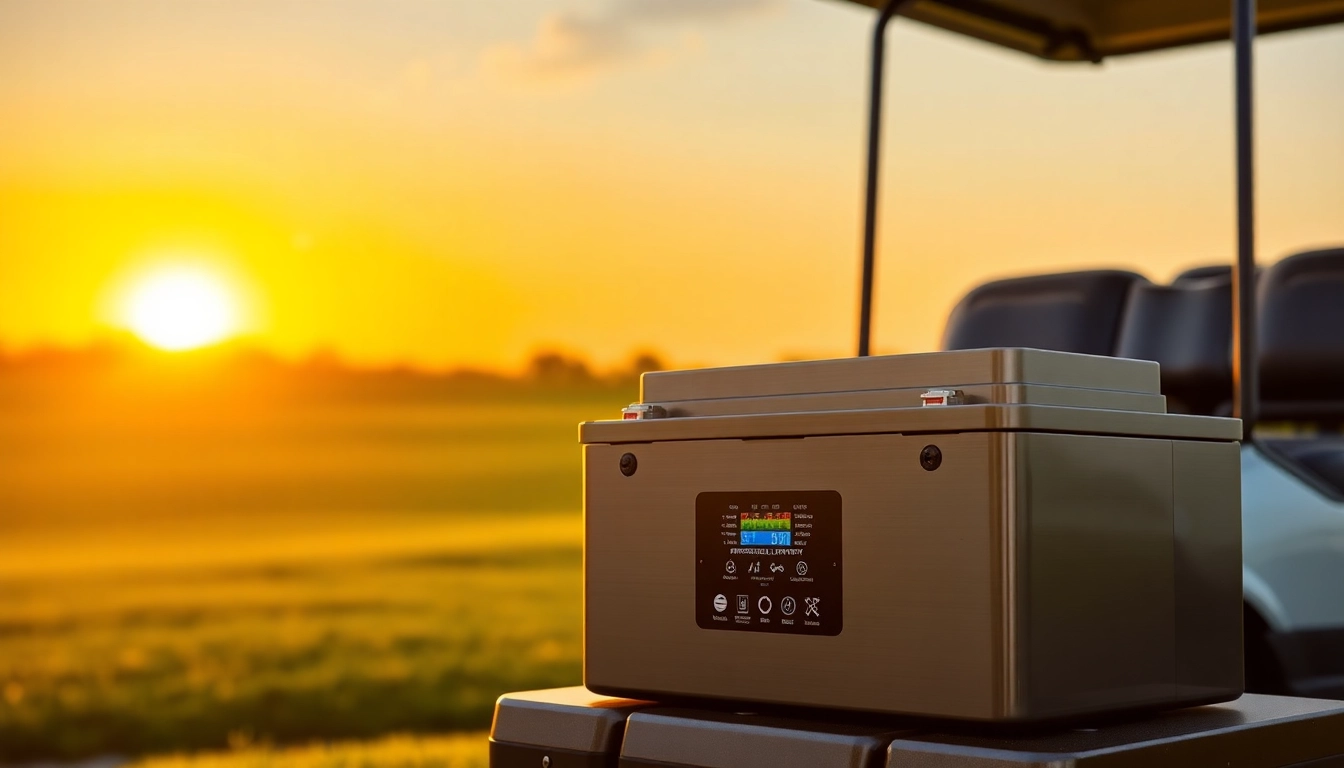
Understanding Lithium Golf Cart Batteries
What Are Lithium Golf Cart Batteries?
Lithium golf cart batteries are advanced energy storage solutions designed for powering electric golf carts. They utilize lithium-ion technology, which allows for greater efficiency and performance compared to traditional lead-acid batteries. These batteries are known for their lightweight nature, longer lifespan, and faster charging capabilities, making them an excellent choice for golf cart users looking to enhance their golfing experience. In fact, many golfers are now considering lithium golf cart batteries to optimize their performance on the course.
How Do They Compare to Traditional Batteries?
Compared to traditional lead-acid batteries, lithium golf cart batteries offer several advantages. For starters, they are significantly lighter, which can enhance the handling and performance of the golf cart. They also have a longer lifespan, often lasting around 10 years with proper maintenance, while lead-acid batteries typically need replacement every 1 to 4 years. Additionally, lithium batteries offer faster charging times, with some models capable of achieving a full charge in just a few hours, compared to the lengthy charging cycles of lead-acid counterparts.
Key Features and Benefits
The benefits of lithium golf cart batteries extend beyond just weight and lifespan. Key features include:
- High Efficiency: Lithium batteries maintain consistent performance even under heavy loads, ensuring golf carts operate smoothly.
- Low Self-Discharge Rate: They can hold their charge for much longer periods, reducing the need for frequent charging.
- Robust Safety Features: Advanced battery management systems (BMS) in lithium batteries prevent overheating and overcharging.
- Eco-Friendly: Lithium batteries are less harmful to the environment compared to lead-acid batteries, as they are free from harmful substances like lead and acid.
Choosing the Right Lithium Golf Cart Battery
Voltage Options: 36V vs 48V
When selecting a lithium golf cart battery, one of the first decisions to make is regarding voltage. Most golf carts run on either a 36V or 48V electrical system. It's crucial to choose a battery that matches your cart's specifications. A 48V battery provides more power and can result in higher speeds and better operational efficiency, making it a preferred choice for serious golfers who frequently traverse longer distances on the course.
Capacity and Cycle Life Explained
Battery capacity, measured in amp-hours (Ah), indicates how much energy the battery can store and deliver. Higher capacity batteries allow for longer use between charges, which is essential for those who spend extended hours on the course. Cycle life refers to the number of charge-discharge cycles a battery can undergo before its performance drops significantly. Quality lithium batteries can achieve 5,000 cycles or more, making them a financially sound investment over the long term.
Considerations for Compatibility
Compatibility with your specific Vatrer Power golf cart model is paramount. Always check the manufacturer’s specifications or consult with an expert before making a purchase. Some lithium batteries are designed for specific brands or models, ensuring a perfect fit and maximal performance. Upgrading a golf cart to a lithium battery may also involve changes to the charging system, so be prepared for potential modifications.
Installation and Maintenance Tips
Proper Installation Procedures
The installation process for lithium golf cart batteries is generally straightforward but varies depending on the cart model. Here are some steps to follow:
- Ensure the workspace is clean and free from moisture.
- Disconnect the old battery, ensuring all connections are carefully labeled to avoid confusion during reinstallation.
- Install the new lithium battery, making sure to connect positive to positive and negative to negative terminals.
- Secure all connections tightly and check for any signs of corrosion or damage.
- Test the installation by turning on the golf cart and checking for any error messages or performance issues.
Routine Maintenance Practices
Maintaining lithium batteries is less intensive than lead-acid batteries, but some practices can enhance their longevity:
- Keep the battery terminals clean and check connections regularly to prevent voltage drops.
- Store batteries in a dry, climate-controlled environment when not in use.
- Avoid complete discharges; Lithium batteries are best charged when they reach about 20% capacity.
- Monitor charging times and avoid overcharging, which can degrade 48V 105Ah Lithium Battery health over time.
Troubleshooting Common Issues
Some common issues can arise with lithium batteries:
- Battery Not Charging: Check all connections; a loose or corroded terminal could be the cause.
- Sudden Loss of Power: Inspect for any signs of damage or wear, and make sure the battery is adequately charged.
- Error Codes: If the golf cart displays error messages, consult the user manual for troubleshooting tips.
Performance and Efficiency Insights
Driving Range and Charging Times
One of the primary concerns for any golf cart user is the driving range. Lithium golf cart batteries can significantly extend your range, with many capable of providing power for up to 40 miles on a single charge. Moreover, charge times can vary depending on the amperage of the charger used; most lithium batteries will reach full charge within 2 to 5 hours, a stark contrast to the 8 to 12 hours often required by lead-acid batteries.
Weight Advantages for Better Handling
The lighter weight of lithium batteries contributes not only to improved speed but also enhances the overall handling of the golf cart. This can lead to better maneuverability through tight spaces on the course, allowing golfers a competitive edge during gameplay. The enhanced weight distribution created by these batteries can also lead to better stability.
Environmental Impact and Sustainability
With growing awareness of sustainability, lithium golf cart batteries present a more environmentally friendly option. The reduction in toxic materials compared to traditional batteries, combined with the extended lifecycle, makes them a preferred choice for eco-conscious consumers. Additionally, as technology evolves, the recycling processes for lithium batteries are improving, further contributing to a sustainable future.
FAQs About Lithium Golf Cart Batteries
1. How long do lithium golf cart batteries typically last?
Lithium golf cart batteries can last up to 10 years, depending on usage and maintenance practices, making them a long-term investment.
2. Are lithium batteries safe for golf carts?
Yes, lithium golf cart batteries are safe when installed correctly. They come equipped with safety features to prevent overheating and other hazards.
3. Can I charge a lithium battery in cold weather?
It is advisable to avoid charging lithium golf cart batteries in temperatures below freezing to protect their integrity and performance.
4. How do I know what size lithium battery I need?
The size you need depends on your golf cart's voltage (36V or 48V) and power requirements. Always consult your cart’s specifications for guidance.
5. What are the best practices for maintaining lithium golf cart batteries?
Regularly check connections, keep terminals clean, and ensure they are stored in a temperature-controlled environment to extend battery life.