Understanding Forklift Basics
In the realm of material handling, the forklift stands as a pivotal tool, revolutionizing the way goods are moved, stacked, and transported in various industries. This powerful industrial truck is designed to lift heavy loads and facilitate more efficient operation within warehouses, construction sites, and manufacturing facilities. This article delves into the fundamental elements, types, operational best practices, and maintenance suggestions for forklifts, aiming to equip readers with valuable insights and practical knowledge.
What is a Forklift?
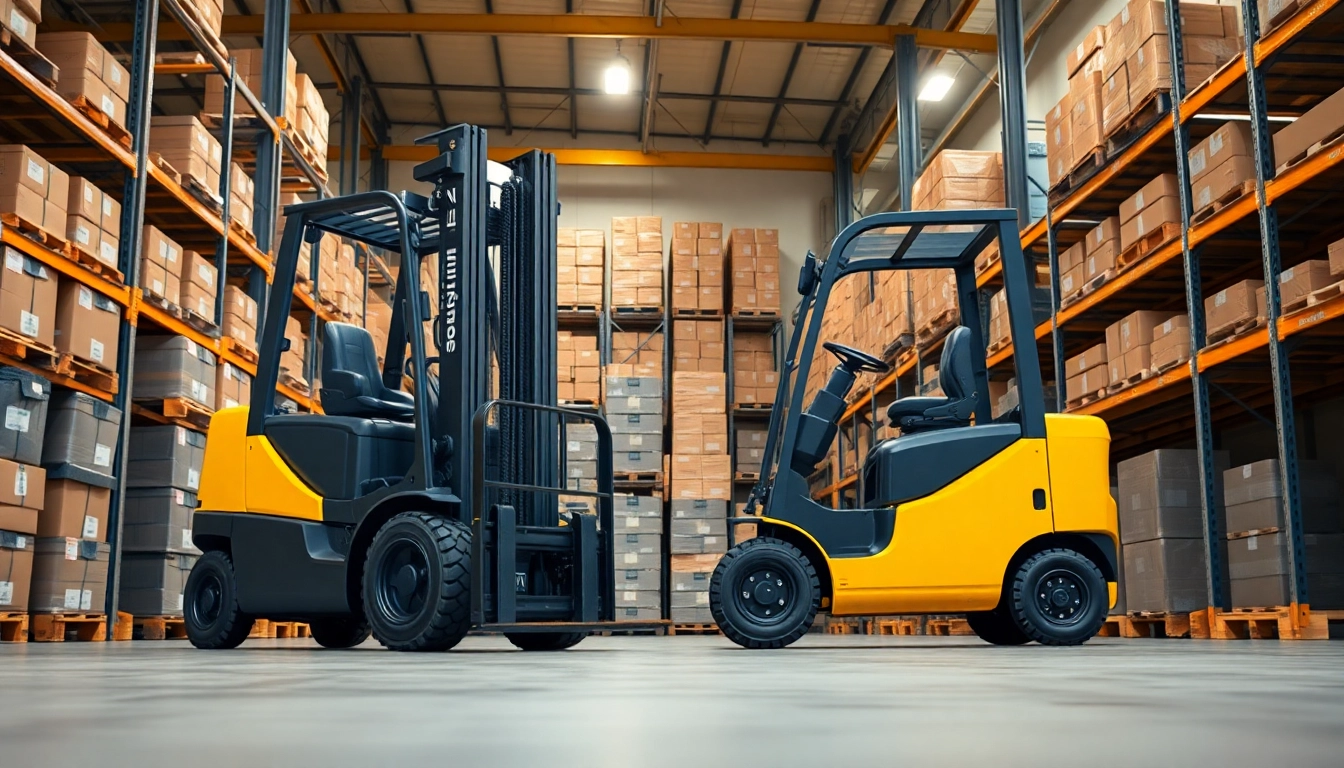
A forklift, also referred to as a lift truck or industrial truck, is a mechanical vehicle powered typically by an electric motor or internal combustion engine. It is equipped with a pair of forks that can raise and transport heavy materials. Forklifts are integral to industries such as logistics, construction, and warehousing, enabling employees to lift loads that would be impractical to handle manually.
Key Components of Forklifts
- Forks: The primary load-handling tool that can be adjusted to various widths and heights.
- Mast: The vertical assembly that raises and lowers the forks, enhancing lift height.
- Chassis: The frame that supports the forklift, including wheels and axles.
- Operator's Cabin: The area where the operator controls the forklift machinery.
- Power Source: Either electric batteries or internal combustion engines, providing the necessary energy to lift and maneuver.
Different Forklift Types
Understanding the various types of forklifts is crucial for selecting the right one for specific tasks. Here are some common categories:
- Electric Forklifts: Environmentally friendly and suitable for indoor use, electric forklifts offer lower operating costs and reduced emissions.
- Internal Combustion Forklifts: These forklifts are powered by gasoline or diesel engines and are ideal for outdoor use, particularly in rugged terrains.
- Rough Terrain Forklifts: Specifically designed for construction sites, these forklifts feature larger wheels and higher ground clearance.
- Narrow Aisle Forklifts: Best for warehouses with limited space, these forklifts can maneuver easily through tight areas.
- Order Pickers: These are unique units that allow the operator to elevate along with the forks to pick up items stored high on shelves.
Choosing the Right Forklift for Your Needs
Selecting the appropriate forklift involves several consideration factors that align with the operational requirements of your business. Here’s how to make an informed choice:
Assessing Load Requirements
Before choosing a forklift, understanding the weight and dimensions of the loads you will be handling is critical. Evaluating the load capacity ensures that the forklift you choose can lift and transport the heaviest items without risk of mechanical failure or safety hazards. Always check the manufacturer’s specifications regarding maximum lift capacity.
Comparing Fuel Types
Different types of forklifts operate on various fuel sources. Electric models are generally quieter and require less maintenance, making them ideal for indoors. In contrast, internal combustion models offer more durability on outdoor terrains but emit fumes and noise. Each option has its advantages and drawbacks, which must be weighed against your operational environment.
Forklift Size and Maneuverability
The dimensions of the forklift can significantly affect its operational efficiency. Assessing factors such as aisle widths and turns where the forklift will operate helps in choosing a model that fits well within the designated space. Smaller forklifts are suitable for warehouse environments, while larger models can navigate through open areas easily.
Best Practices for Forklift Operation
Safety and efficiency during forklift operation are enhanced by following a set of best practices. Here are some essential guidelines to ensure smooth and secure operation:
Pre-Operation Safety Checks
Before beginning any task, conducting a pre-operation inspection is critical for safety. Operators should check the following:
- Fluid levels (oil, coolant, and hydraulic fluid)
- Battery charge for electric forklifts
- Brakes and steering functionality
- Fork condition and any other signs of wear
Safe Load Handling Techniques
To minimize accidents, it is essential to master safe load handling techniques. Operators should maintain a clear line of sight while driving, ensure the load is stable before lifting, and never exceed the forklift’s load capacity. Additionally, using a spotter when navigating in tight spaces increases overall safety.
Maintaining Forklift Performance
Routine maintenance plays a vital role in the performance and longevity of forklifts. Regularly scheduled maintenance checks should include:
- Greasing moving parts
- Checking tire conditions
- Cleaning battery terminals
- Inspecting hydraulic systems for leaks
Enhancing Warehouse Efficiency with Forklifts
Integrating forklifts into warehouse operations can vastly improve productivity. Here are methods to maximize their effectiveness:
Optimal Forklift Routes
To streamline operations, plan and optimize forklift routes. Use mapping techniques to create pathways that minimize travel time and avoid congested areas. Establishing specific routes ensures that forklift operators can perform tasks quickly and efficiently.
Integrating Forklifts with Automated Systems
In today’s technologically advanced environments, integrating forklifts with warehouse management systems (WMS) can boost operational efficiency. Automated inventory tracking, real-time data analysis, and load management systems can help track forklift activity and optimize workflow effectively.
Training Employees on Forklift Usage
Providing comprehensive training for forklift operators is crucial for maintaining workplace safety and efficiency. Sessions should cover safe operation practices, emergency procedures, and tips for maximizing productivity. Regular refresher courses can also help keep skills sharp.
Forklift Maintenance and Troubleshooting
Proper maintenance and troubleshooting of forklifts can prevent unnecessary downtime and costly repairs. Here’s how to effectively manage forklift upkeep:
Regular Maintenance Checklist
A structured maintenance checklist can help ensure that forklifts remain in peak condition. Some items to include are:
- Inspect all safety features
- Evaluate hydraulic systems
- Examine braking systems and controls
- Check battery connections and performance
Common Forklift Issues and Solutions
Operational issues can arise unexpectedly. Here are some common problems and their solutions:
- Hydraulic Issues: Can often be resolved by inspecting hydraulic fluid levels and checking for leaks.
- Battery Failure: Regular maintenance and timely charging can mitigate failures. Replace old batteries as needed.
- Tire Damage: Regular checks can help detect wear. Tire replacement should happen promptly to avoid unsafe conditions.
When to Seek Professional Help
Some mechanical issues may require professional intervention. When you encounter persistent problems that you cannot resolve, it’s advisable to consult a certified technician for further diagnosis and repair to avoid exacerbating the issue.
Frequently Asked Questions
What are the three types of forklifts?
The three main types are electric motor rider forklifts, internal combustion cushion tire forklifts, and narrow aisle forklifts. Each type is tailored for different applications, allowing for versatile use in various environments.
Can a forklift lift more than its rated capacity?
A forklift should never be loaded beyond its rated capacity as it risks mechanical failure and endangers operator safety. Always adhere strictly to the manufacturer's specified load limits.
How often should forklifts be serviced?
Forklifts should undergo a preventive maintenance inspection at least once every 200 hours of operation or as specified by the manufacturer's guidelines. Regular checkups help ensure performance and safety.
What safety measures should operators follow?
Operators should always wear safety gear, conduct pre-operation checks, maintain clear visibility while operating, and avoid sudden movements. Following these practices can help prevent accidents and injuries.
Is forklift training necessary for all operators?
Yes, forklift training is critical for all operators. It ensures they are aware of safety protocols, operational guidelines, and that they learn how to handle the equipment properly, significantly reducing risks in the workplace.