Understanding Telehandler Functionality
What is a Telehandler?
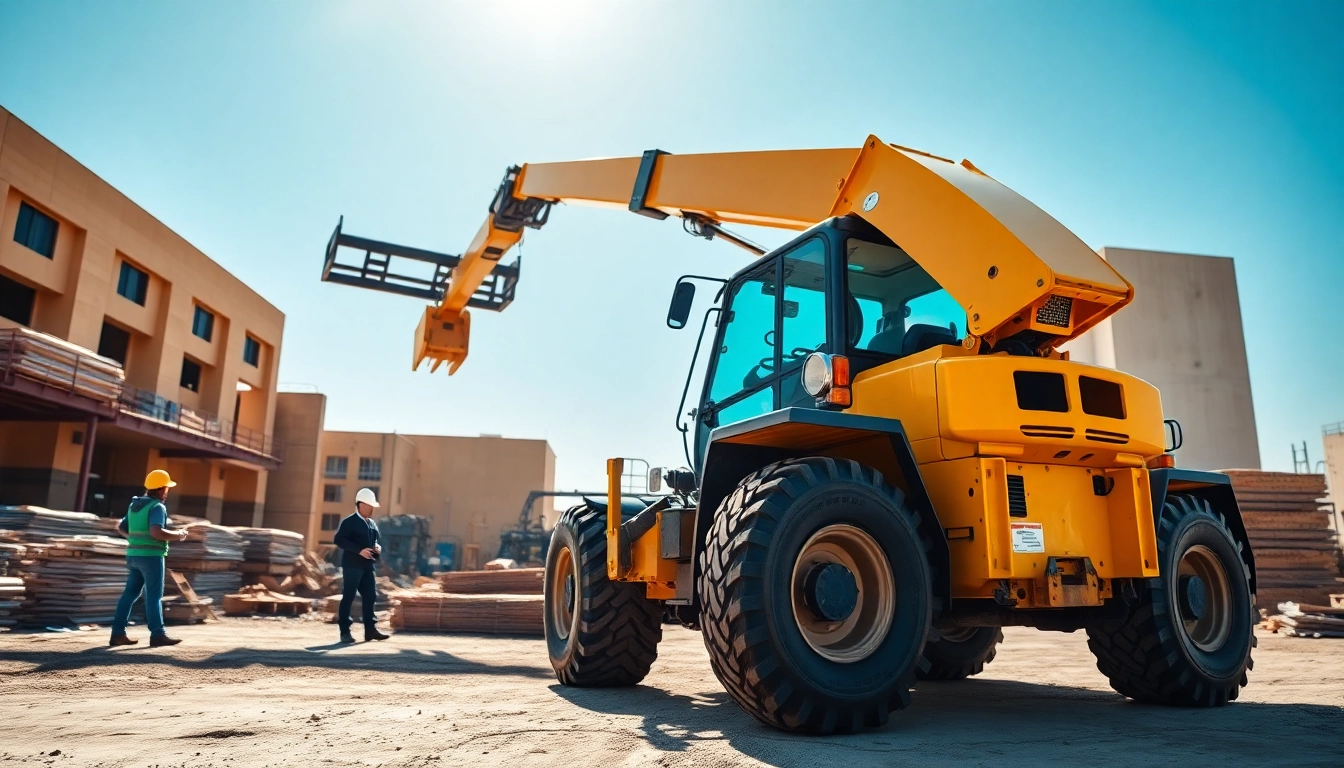
A telehandler is a versatile piece of machinery used primarily in construction and agricultural settings to lift and place heavy loads. Often referred to as a telescopic handler, teleporter, reach forklift, or zoom boom, this hydraulic lifting machine features a boom that extends, allowing for a much greater reach than traditional forklifts. Telehandlers can also be fitted with various attachments, such as forks, buckets, and lifting jibs, enhancing their functionality for different types of work.
Key Features of Telehandlers
Telehandlers are designed with several key features to facilitate their operation:
- Telescopic Boom: The standout feature of any telehandler is its hydraulic boom, which extends horizontally and vertically to lift loads to significant heights.
- Load Capacity: Telehandlers typically have a range of load capacities, from 3,000 to 12,000 pounds, depending on model and configuration.
- Versatile Attachments: The ability to interchange various attachments makes telehandlers adaptable for different tasks, such as lifting, digging, or even carrying tools.
- Four-Wheel Drive: Many models come with four-wheel drive, enhancing off-road capabilities and making them suitable for various terrains.
- Cab Comfort and Control: Advanced models offer ergonomic controls, making them comfortable for operators, which is crucial during long hours on construction sites.
Common Applications of Telehandlers
Telehandlers are utilized in a variety of applications, providing effective solutions for many industries:
- Construction: Ideal for lifting heavy materials such as steel beams, bricks, and concrete, especially in hard-to-reach locations.
- Agriculture: Used for lifting and transporting feed, hay bales, and farm equipment, telehandlers are essential for modern farming.
- Landscaping: Useful for moving dirt, rocks, and other landscaping materials, making them vital for outdoor projects.
- Manufacturing: Telehandlers are often employed in factories to move large inventory and equipment seamlessly.
- Warehouse Management: They assist in loading and unloading trucks, optimizing storage space for retail and wholesale operations.
Choosing the Right Telehandler for Your Needs
Different Types of Telehandlers
When selecting a telehandler, it’s important to understand the different types available:
- Standard Telehandlers: General-purpose models equipped for a wide range of applications.
- Rough Terrain Telehandlers: Designed with larger wheels and enhanced traction to navigate uneven surfaces.
- Electric Telehandlers: Best for indoor use, these models offer quiet operation without emissions while providing sufficient lifting capabilities.
- High-Lift Telehandlers: Engineered for extended vertical reach, suitable for construction environments needing to lift materials to significant heights.
Assessing Job Requirements
Before selecting a telehandler, assess the specific job requirements:
- Lifting Height: Determine how high you need to lift materials based on building heights or project scope.
- Load Capacity: Consider the maximum weight of loads you’ll be lifting and ensure the telehandler can handle those weights comfortably.
- Terrain Type: Identify whether the job site is flat, hilly, or rough to select a model with appropriate mobility features.
- Attachment Needs: Identify if special attachments are required for specific jobs, such as buckets or clamshells.
Comparing Prices and Features
When choosing the right telehandler, comparing prices and features is crucial to make an informed decision:
- Initial Cost: Assess various models to find one that fits your budget while meeting your needs.
- Operating Costs: Factor in costs related to fuel, maintenance, and insurance when evaluating overall expenses.
- Warranty and Support: Look for models that come with robust warranties and readily available customer support services.
- Resale Value: Consider the expected resale value, as telehandlers often maintain their worth better than other equipment.
Safety Guidelines for Using Telehandlers
Pre-Operation Checks
Conducting pre-operation checks is essential for safety:
- Inspect for oil leaks or damaged hydraulic lines.
- Check tires for proper inflation and tread wear.
- Examine the operator's cab for any obstructions or lack of visibility.
- Ensure all safety equipment, such as seatbelts and alarms, function correctly.
Operator Training Best Practices
Proper training for telehandler operators significantly reduces risks:
- Provide hands-on training using the specific model operators will use.
- Conduct regular refresher sessions to keep operator skills sharp.
- Teach operators about specific load limits and operating practices to minimize accidents.
- Encourage effective communication among the team when operating the telehandler.
Common Hazards and How to Avoid Them
Be aware of common hazards associated with telehandler use:
- Overloading: Adhere strictly to the load capacity specified by the manufacturer to prevent accidents.
- Stability Issues: Avoid extending the boom beyond the safe operating radius, which can lead to tipping.
- Visibility Problems: Always have a spotter or clear line of sight when one person is operating and another directing.
- Weather Conditions: Avoid operating in severe weather, such as high winds or rain, which can affect machine stability.
Maintenance Tips for Telehandler Longevity
Routine Maintenance Tasks
Routine maintenance ensures the longevity and effectiveness of your telehandler:
- Regularly check fluid levels, including hydraulic fluid and engine oil.
- Inspect and replace air filters to maintain engine performance.
- Conduct visual inspections of the boom and attachments for wear and tear.
- Schedule annual professional maintenance for in-depth checks and repairs.
Signs of Wear and Repair Needs
Be on the lookout for signs that indicate necessary repairs:
- Unusual noises during operation may indicate issues with the hydraulic system.
- Increased vibration can suggest problems with the lifting mechanism.
- Oil stains or leaks should be addressed immediately to prevent further damage.
- Difficulty steering or operating controls may signal mechanical problems requiring attention.
Maximizing Telescopic Boom Efficiency
To get the most out of your telehandler's telescopic boom, consider:
- Utilizing the boom angle effectively to optimize lifting capabilities.
- Understanding load placement to maintain balance when extending or retracting the boom.
- Regularly calibrating the hydraulic system to ensure peak performance.
- Training operators on the capabilities and limits of the boom system for safer operations.
FAQs about Telehandlers
What types of materials can a telehandler lift?
A telehandler can lift a variety of materials, including construction materials like bricks and lumber, agricultural supplies, pallets, and heavy equipment, depending on its load capacity.
How does a telehandler differ from a forklift?
Unlike a forklift, a telehandler features an extendable boom that allows it to reach higher and further, making it more versatile for lifting and placing materials in tight spaces.
Are telehandlers suitable for rough terrain?
Yes, many telehandlers are designed for rough terrain with robust suspension systems, larger tires, and four-wheel drive capabilities, allowing them to perform well in uneven conditions.
What should be considered for telehandler rentals?
When renting a telehandler, consider factors like load capacity, height reach, attachment options, rental duration, and any additional insurance or training costs associated with operation.
How can I improve telehandler operation efficiency?
To enhance operational efficiency, ensure proper operator training, conduct routine equipment checks, select the right attachments for tasks, and keep track of load limits to avoid overloading.
Contact Information
Call Us: 4062607988Address: 3906 MT-40, Columbia Falls, MT 59912