Astaxanthin, a naturally occurring carotenoid, has garnered significant attention in recent years for its numerous health benefits, particularly for astaxanthin for eye health. Found in marine organisms like shrimp, salmon, and algae, astaxanthin exhibits powerful antioxidant properties that can play a critical role in maintaining ocular health. In this comprehensive article, we will delve into the science behind astaxanthin, its effects on eye health, recommended dosages, potential side effects, and address some frequently asked questions surrounding this remarkable nutrient.
The Science Behind Astaxanthin and Eye Health
What is Astaxanthin?
Astaxanthin is a red pigment belonging to the carotenoid family, which includes other well-known compounds such as beta-carotene and lutein. It is renowned for its exceptional antioxidant capacity, reported to be up to 6000 times stronger than vitamin C and significantly more potent than other antioxidants. Astaxanthin is mostly produced by microalgae, which serve as the base of the food chain for many marine animals. When consumed, it can accumulate in various tissues, including the eyes, where it exerts protective effects.
How Astaxanthin Affects the Eyes
The eye is a complex organ vulnerable to oxidative stress and inflammation. The retina, which is responsible for capturing light and sending signals to the brain, is especially sensitive to damage from free radicals and UV light. Astaxanthin's unique ability to cross the blood-retinal barrier enables it to accumulate in retinal tissues, where it may protect against oxidative damage and related diseases.
Underlying Mechanisms of Action
Astaxanthin operates through several mechanisms that contribute to eye health. It scavenges free radicals, reducing oxidative stress and inflammation that can lead to conditions such as age-related macular degeneration (AMD) and cataracts. Additionally, astaxanthin may improve blood flow to the eyes and enhance mitochondrial function in retinal cells, supporting overall visual function. Recent studies have shown that astaxanthin can help maintain the integrity of retinal structures, making it a promising candidate for therapeutic interventions in ocular diseases.
Health Benefits of Astaxanthin for Eye Health
Protection Against Oxidative Stress
Oxidative stress is a significant contributor to various ocular diseases, including cataracts and AMD. Astaxanthin can effectively neutralize reactive oxygen species and protect the retinal cells from damage. A study published in the *Journal of Nutritional Science* reported that astaxanthin supplementation resulted in a significant reduction in oxidative stress markers in the eyes of participants, highlighting its protective role against environmental stressors.
Improving Visual Function and Acuity
Numerous studies have shown that astaxanthin can enhance visual function and acuity. For instance, research indicates that astaxanthin supplementation may improve contrast sensitivity and overall visual performance, particularly after prolonged visual tasks, such as working on a computer. Participants taking astaxanthin showed less visual fatigue and discomfort, suggesting that it may alleviate symptoms associated with digital eye strain.
Supporting Retinal Health
Astaxanthin's role in supporting retinal health is tied to its antioxidant and anti-inflammatory properties. It has been shown to reduce inflammation and improve mitochondrial function in retinal cells. A study demonstrated that astaxanthin could protect against light-induced retinal damage, which is particularly important for those with high exposure to screens and UV light. Its protective effects can help reduce the risk of developing serious retinal diseases as one ages.
Dosage and Sources of Astaxanthin
Recommended Daily Intake
The ideal dosage of astaxanthin can vary based on individual health status, age, and dietary habits. However, many studies suggest a daily intake of 4 to 12 mg is effective for eye health. As always, it is best to consult with a healthcare provider to determine the appropriate dosage tailored to personal needs, especially if taking other supplements or medications.
Natural Food Sources
Astaxanthin is predominantly found in marine life. The primary sources include:
- Salmon: Wild-caught salmon is one of the richest sources, especially sockeye salmon.
- Shrimp and Crab: These crustaceans also contain high levels of astaxanthin.
- Krill Oil: Derived from tiny crustaceans, krill oil is another potent source of astaxanthin.
- Microalgae: Certain species, primarily Haematococcus pluvialis, are known for producing very high levels of astaxanthin.
Supplement Options
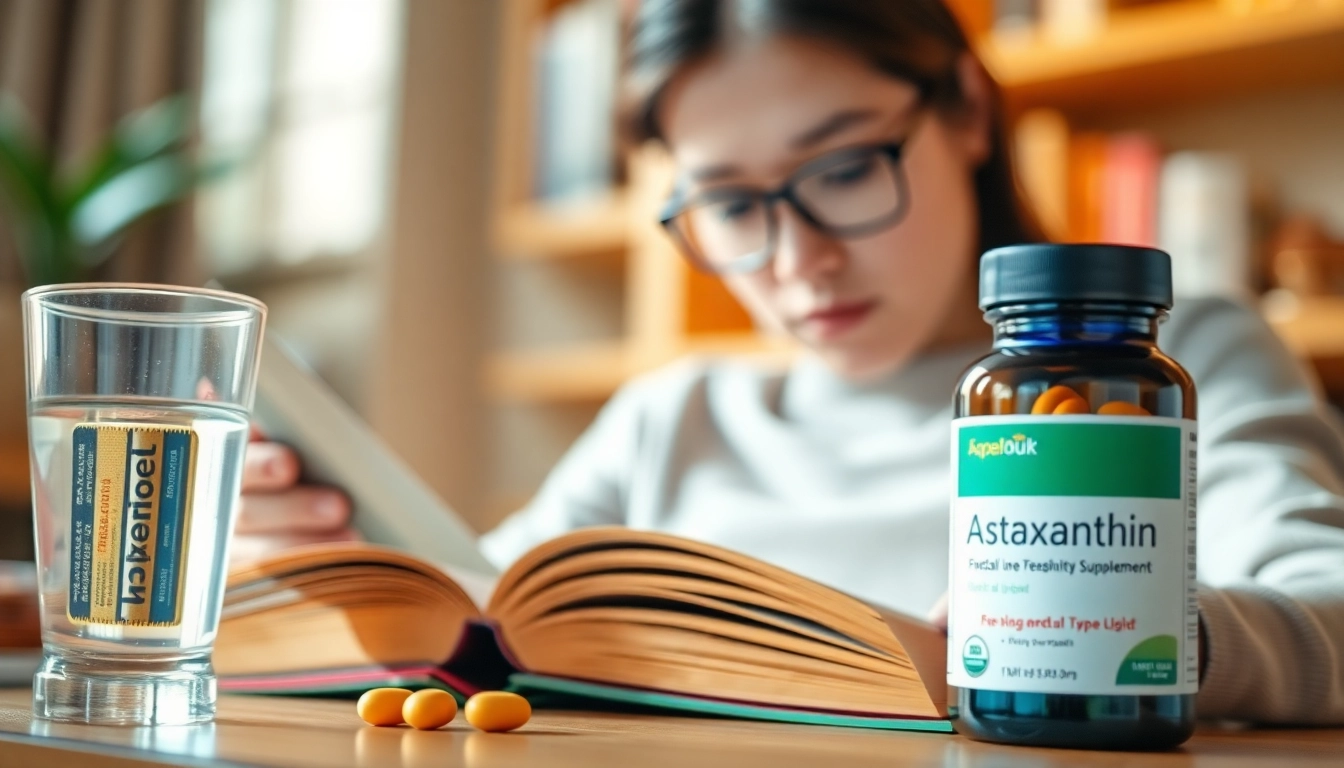
For those who may not get enough astaxanthin through diet alone, supplements are widely available. Astaxanthin supplements come in various forms, including softgels, capsules, and oils. When selecting a supplement, look for products that specify the source of astaxanthin, ensuring it is derived from natural sources, as synthetic versions are less effective. Ideally, choose brands that conduct third-party testing for potency and purity.

Potential Side Effects and Considerations
Common Side Effects of Astaxanthin
Astaxanthin is generally considered safe for most people when taken as directed. However, some may experience minor side effects, including:
- Digestive upset
- Skin discoloration (temporary)
- Changes in stool color
These side effects are typically mild and resolve with continued use or adjusting the dosage.
Interactions with Medications
Individuals taking anticoagulants (blood thinners) should consult a healthcare provider before starting astaxanthin supplementation, as it may enhance the effects of these medications. Additionally, astaxanthin can interact with medications that affect the immune system. Always inform your doctor of any new supplements to avoid unwanted interactions.
Who Should Consult a Doctor
It is advisable for pregnant or breastfeeding women, individuals with underlying health conditions, or those currently on medications to consult with a healthcare professional before using astaxanthin supplements. Discussing any concerns or conditions can lead to a safe and beneficial way to incorporate this powerful antioxidant into your routine.
FAQs on Astaxanthin for Eye Health
1. What are the primary benefits of astaxanthin for vision?
Astaxanthin provides antioxidant protection, improves visual function, and supports retinal health, reducing the risk of eye conditions such as age-related macular degeneration and cataracts.
2. How long does it take to notice improvements?
Results can vary, but users may begin to notice improvements in visual acuity and fatigue relief within a few weeks of consistent astaxanthin supplementation.
3. Can astaxanthin help with eye strain?
Yes, studies indicate that astaxanthin supplementation may reduce eye strain, especially during prolonged activities requiring intense focus, like computer work.
4. Are there any known allergies to astaxanthin?
While rare, some individuals may experience allergic reactions. Symptoms can include skin rash or gastrointestinal upset. Discontinue use if such symptoms arise.
5. How should I take astaxanthin supplements?
Astaxanthin is best taken with a meal to enhance absorption, particularly with healthy fats. Always follow the dosage instructions provided on the supplement label or consult a healthcare provider.