Understanding Emergency Solar Panel Repair
Solar energy systems have become pivotal in providing sustainable energy solutions for homes and businesses. However, unforeseen events, such as extreme weather conditions or mechanical failures, can disrupt their functionality, leading to the need for emergency solar panel repair. Understanding what constitutes an emergency and how to address it efficiently is crucial to maintaining your energy independence and maximizing your solar investment.
What Triggers an Emergency Solar Panel Repair?
Multiple factors can necessitate emergency solar panel repair. These include:
- Severe Weather: High winds, hail, or lightning can cause physical damage to solar panels and associated wiring.
- Electrical Failures: Inverter malfunctions or wiring issues can lead to system shutdowns.
- Pest Infestations: Rodents or birds may damage wiring or panels.
- Structural Damage: Roof leaks or structural weaknesses can lead to panel displacements.
Immediate Signs Your Solar Panels Need Repair
Being aware of warning signs can help you address issues proactively:
- Reduced Energy Output: If your solar system is generating significantly less power, it could indicate a malfunction.
- Visible Damage: Cracks or discoloration on panels can suggest physical damage needing urgent attention.
- Unusual Noises: Humming or buzzing from inverters may signal electrical issues.
- Frequent Tripped Breakers: This could indicate short circuits or faulty wiring.
Common Issues Addressed in Emergency Repairs
Emergency repairs can encompass a range of concerns:
- Inverter Issues: The inverter converts solar energy to usable electricity, and its failure can halt system performance.
- Broken Panels: Physical damage necessitates immediate replacement to prevent further energy loss.
- Wiring Problems: Damaged connections can lead to arcing or shorts, which are fire hazards.
- Maintenance Oversights: Neglected equipment may exhibit performance issues that require urgent fixing.
Assessing Damage: The First Steps
How to Safely Inspect Your Solar System
Before jumping into repairs, assess the situation safely. Follow these steps:
- Ensure safety by turning off the power supply from the inverter.
- Inspect the panels from the ground for visible damage; do not attempt to climb onto the roof unless trained.
- Check the inverter and connections for signs of wear or damage.
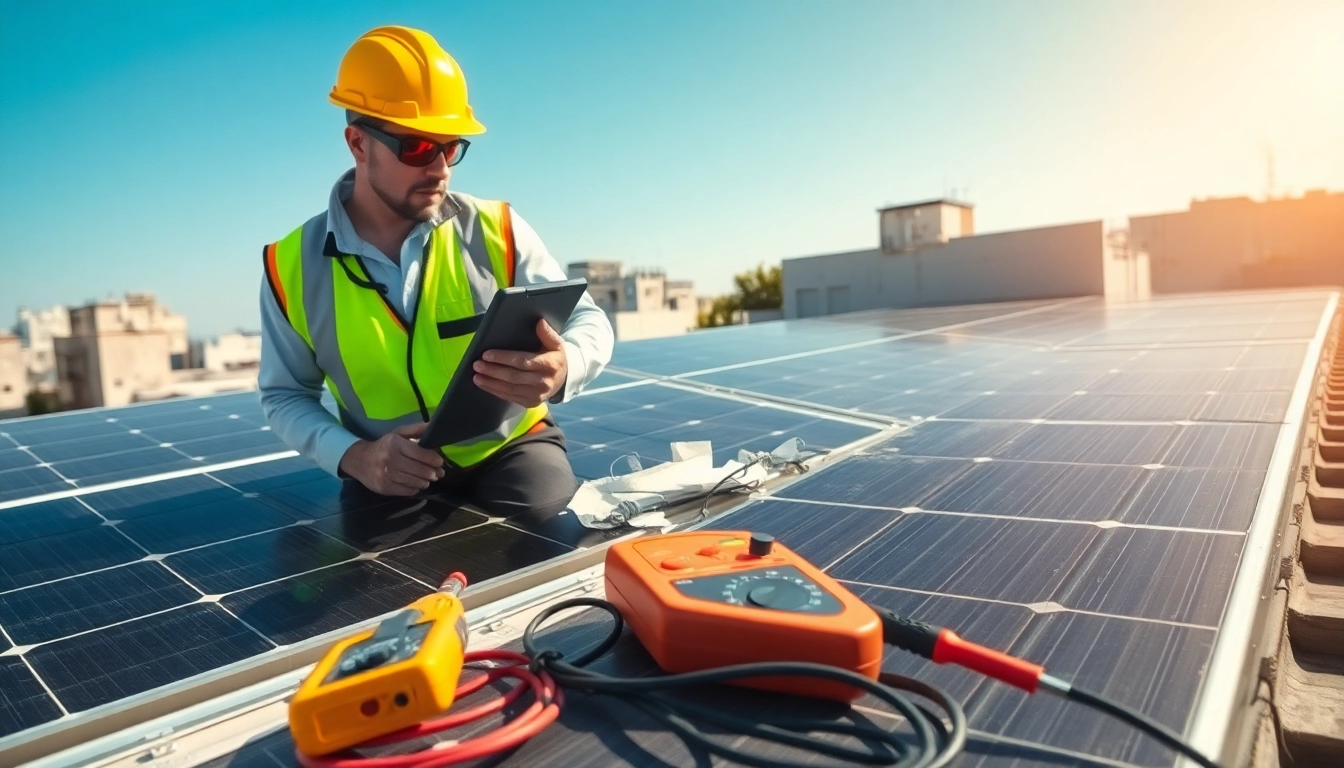
Tools Required for Initial Damage Assessment
Arm yourself with essential tools to evaluate the situation thoroughly:
- Multimeter: For measuring voltage and diagnosing electrical issues.
- Inspection Camera: To capture high-resolution images of hard-to-see areas.
- Voltage Tester: To determine if electrical components are functioning.
When to Call a Professional for Emergency Repairs
While DIY assessments can help, professional intervention is critical in circumstances such as:
- You encounter live electrical wires or components.
- The damage is extensive, involving multiple system elements.
- You feel unsure about performing any part of the repair process.
DIY vs. Professional Emergency Solar Panel Repair
Pros and Cons of DIY Repairs
Many homeowners consider DIY solutions for cost-effectiveness. Here are the advantages and disadvantages:
- Pros: Cost savings, better understanding of the system, and quicker responses for minor issues.
- Cons: Safety risks, potential for costly mistakes, and lack of insurance coverage for mishaps.
Finding a Qualified Repair Service
It’s imperative to choose the right professionals for emergency solar panel repair. Consider the following criteria:
- Certifications: Verify if the technician holds relevant solar energy certifications.
- Experience: Look for a service provider with a proven track record in solar repairs.
- Reviews and References: Read customer feedback and ask for references from previous clients.
Cost Considerations for Emergency Repairs
Understanding the potential costs is essential for planning ahead:
- Typical repair costs range from $400 to $1,000.
- Factors like parts replacement, labor, and the complexity of the problem can influence the total.
- Investing in maintenance can reduce emergency costs significantly.
Preventive Measures to Avoid Future Emergencies
Regular Maintenance Tips for Solar Panels
Preventive maintenance can save you money in the long run:
- Schedule annual professional inspections to catch early signs of wear.
- Clean panels regularly to maximize solar absorption and efficiency.
- Monitor your energy output through inverter readings to detect inconsistencies.
Investment in Reliable Solar Equipment
Choosing high-quality components and systems can reduce the likelihood of emergencies:
- Research reputable brands with solid warranties and user reviews.
- Consider upgrades that enhance durability and efficiency over time.
Long-term Benefits of Prevention
Investing in prevention can provide significant long-term benefits:
- Increased energy efficiency leading to lower electric bills.
- Extended lifespan of solar panels and connected equipment.
- Peace of mind knowing your system is in optimal condition.
Frequently Asked Questions About Emergency Solar Panel Repair
What should I do if my solar panels stop working?
Immediately check for system alerts and ensure there is no visible damage. If issues persist, contact a professional.
How much does emergency solar panel repair typically cost?
Costs can range from $400 to $1,000 depending on the nature of the damage and parts required for the repair.
Can I perform emergency repairs myself?
While minor fixes may be possible, it's advisable to hire a professional for safety and optimal results.
Are there warranties covering solar panel repairs?
Most solar panels come with warranties, but coverage details vary. Always check your warranty terms for specifics.
How often should I have my solar panels inspected?
It’s recommended to have annual inspections to catch potential issues early and ensure system efficiency.