
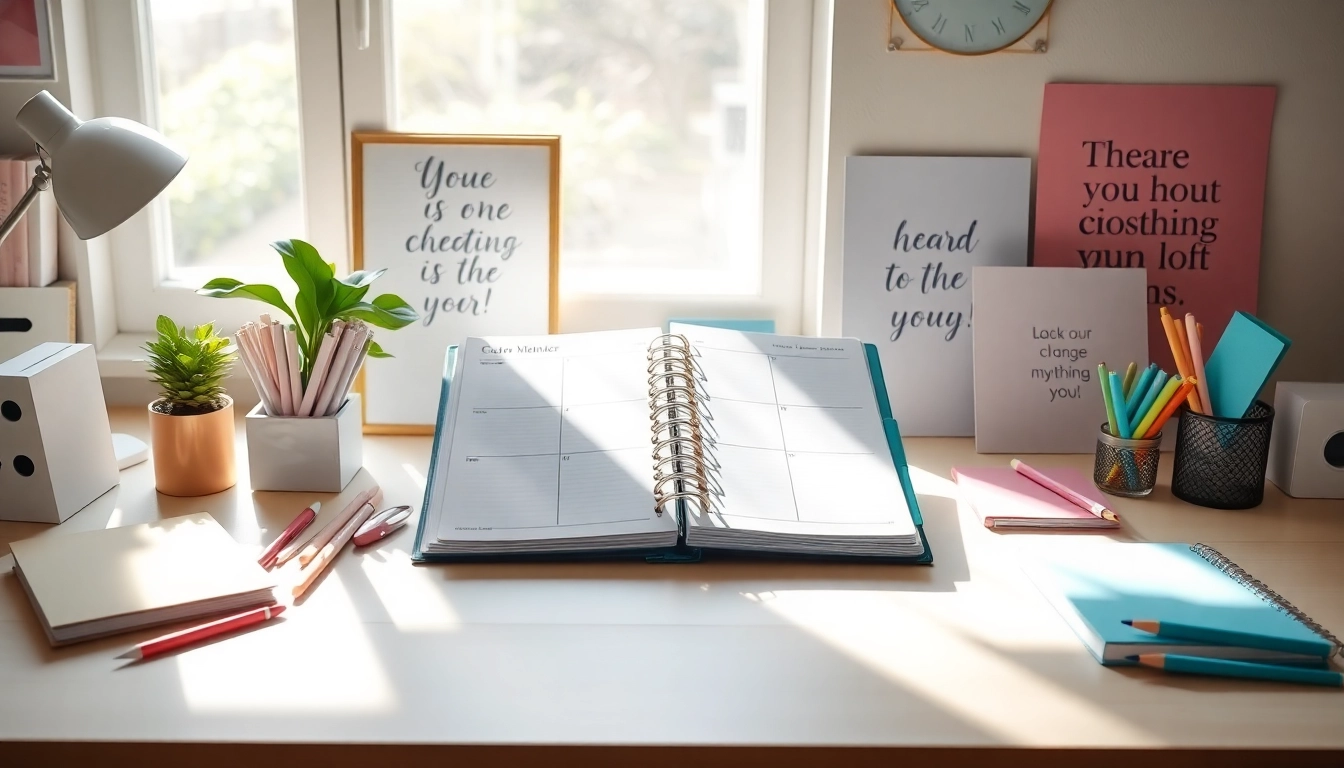
Understanding the Essentials of Planning
What is a Personalized Planner?
A personalized planner is a customized organizational tool tailored to fit your individual needs, preferences, and style. Unlike generic planners, which often offer a one-size-fits-all approach, personalized planners can include specific features such as unique layouts, targeted sections, and customized covers. This makes them invaluable for anyone looking to enhance their productivity and streamline their daily tasks.
With a personalized planner, you can choose everything from the size and format to the design elements that resonate with you. Whether you prefer a daily, weekly, or monthly view, the flexibility to adapt features allows you to create a planner that is uniquely yours. As you embark on the journey to Create Your Perfect Planner, consider how your planner will serve as a reflection of your lifestyle and goals.
Benefits of Creating Your Perfect Planner
Creating your dream planner comes with a myriad of benefits that go beyond mere organization. Here are some of the most significant advantages:
- Enhanced Productivity: With features that cater specifically to your needs, you can prioritize tasks effectively and minimize distractions.
- Clarity and Focus: A personalized planner will help you set clear goals, manage your time wisely, and track your progress toward achieving those goals.
- Encouragement and Inspiration: Incorporating motivational quotes, inspiring artwork, and personalized designs can encourage a positive mindset and keep you motivated.
- Improved Stress Management: Regularly planning your tasks and schedules can alleviate stress and create a stronger sense of control over your life.
- Versatility: A planner can adapt to various aspects of your life, from work and home to hobbies and personal development.
Essential Features to Consider
When designing your perfect planner, consider integrating the following essential features:
- Layout Options: Decide on daily, weekly, or monthly layouts based on your planning style.
- Sections: Include sections for goals, notes, habit tracking, and even health and wellness.
- Customizable Pages: Consider blank pages for brainstorming or lined pages for note-taking.
- Color Coding: Implement a color system for easier task and appointment identification.
- Index: A helpful index can provide quick access to specific sections within your planner.
Choosing the Right Format for Your Planner
Digital vs. Physical Planners
The first decision in creating your perfect planner is whether to go digital or physical. Each format has distinct advantages:
- Digital Planners: These planners often feature templates and syncing capabilities with devices, making them easily accessible anywhere. They can be edited without messy modifications and frequently offer tools like reminders and alerts.
- Physical Planners: The tactile experience of writing things down can enhance memory retention and mindfulness. A physical planner allows for creativity through drawings, stickers, and handwriting, creating an engaging and personal experience.
Customizing Your Layout Options
Creating a layout that works best for your lifestyle is crucial for effective planning. Here are a few popular layout types that you can consider:
- Daily Layout: Ideal for those with busy schedules, a daily layout gives ample space for detailing appointments and to-dos.
- Weekly Layout: Perfect for tracking tasks over the week, allowing for a broader view of how your time is allocated.
- Monthly Layout: Beneficial for long-term planning, monthly spreads offer a spacious overview to track major events and deadlines.
Popular Planner Sizes and Styles
When it comes to sizing and style, your choice will depend on personal preference and intended usage. Common sizes include:
- A5: A compact option that's perfect for portability while still providing enough writing space.
- Letter Size: A larger option that allows for expansive writing space and more detailed planning.
- Half-Sheet: A convenient choice for carrying around, suitable for jotting down quick notes and tasks.
Design Elements to Enhance Your Planner
Selecting a Color Palette
Your planner's color palette sets the tone for your organization experience. Choose colors that inspire you, create a sense of calm, or stimulate creativity. Consider using:
- Complementary Colors: Use colors that complement your designs and create visual appeal.
- Seasonal Colors: Change your palettes with the seasons to keep your planner feeling fresh.
Incorporating Inspirational Quotes and Artwork
Incorporating motivational quotes or personal mantras can provide daily inspiration. Consider utilizing:
- Stickers: Decorative stickers can add a creative flair.
- Custom Illustrations: Personal illustrations can offer a touch of whimsy or elegance to your pages.
Utilizing Functional Stickers and Accessories
Functional stickers can increase planner efficiency by tracking tasks and reminders visually. Some possibilities include:
- Habit Trackers: Stickers that help you visually track habits over a month.
- Appointment Labels: Clearly marking important dates and reminders.
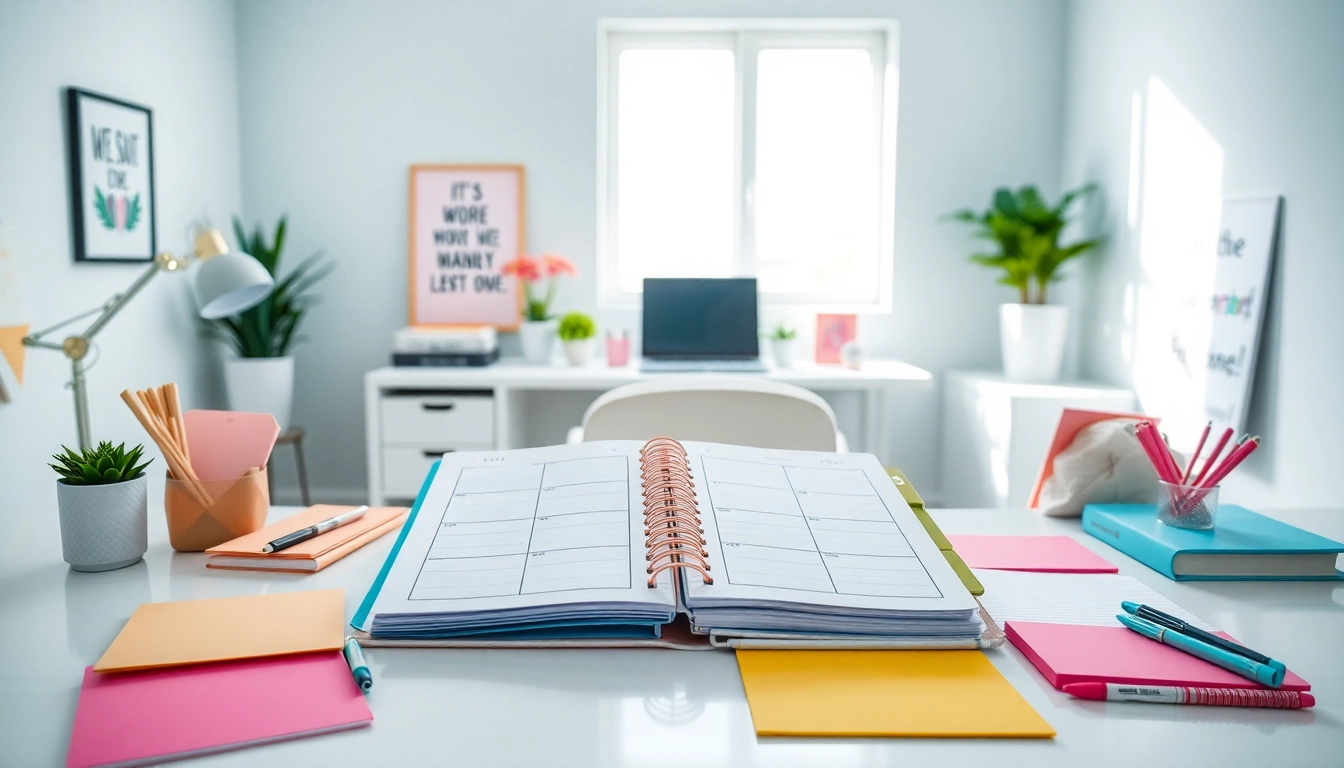
How to Use Your Planner Effectively
Setting Clear Goals
Effective planning starts with setting clear, achievable goals. Utilize SMART criteria (Specific, Measurable, Achievable, Relevant, Time-bound) to prioritize and track your goals.
Daily, Weekly, and Monthly Planning Techniques
To maximize the utility of your planner, employ a combination of daily, weekly, and monthly planning techniques:
- Daily Planning: Begin each day with a clear agenda, prioritizing three key tasks.
- Weekly Planning: Set aside time each week to map out appointments and goals for the upcoming week.
- Monthly Review: At the end of each month, reflect on achievements and challenges to improve future planning.
Adjusting Your Planner as Your Needs Change
Your planning style may shift over time, and that's completely normal. Ensure your planner is flexible enough to adapt to new goals, responsibilities, or changes in lifestyle. Regularly reassess your needs and adjust your planner’s layout and features accordingly.
Maintaining Your Planner for Long-Term Use
Tips for Staying Consistent
Consistency is key to effective planning. Here are some strategies to help maintain your planner usage:
- Schedule Time: Dedicate a specific time daily or weekly for planning.
- Make It Enjoyable: Use colors, designs, and stickers that make planning fun.
Updating and Revamping Your Planner
Periodically review your planner's structure and design elements. This could mean changing layouts, integrating new sections, or even refreshing your planner's aesthetic for renewed motivation.
Involving Others in Your Planning Journey
Sharing your planning goals with friends or family can add an element of accountability. Consider partnering with others who share similar goals, creating a supportive community that encourages goal achievement.
FAQs
Can I create a planner online?
Yes, a variety of online platforms offer templates that allow you to customize and create your perfect planner.
What materials are best for my planner?
Using high-quality paper and durable covers is essential for ensuring your planner endures the wear and tear of daily use.
Are there apps for planner creation?
Many apps provide customizable planner creation features, making it easy to design a digital planner suited to your preferences.
How can I personalize my planner?
Personalization can be achieved through unique layouts, stickers, and custom sections that align with your personal style and objectives.
What if my needs change throughout the year?
It's crucial to remain flexible; adjust your planner layouts and features periodically to accommodate new goals and schedules.