
Understanding PCOS and Its Nutritional Needs
1. What is PCOS?
Polycystic Ovary Syndrome (PCOS) is a hormonal disorder affecting people with ovaries, characterized by irregular menstrual cycles, excess androgen levels, and polycystic ovaries. It impacts approximately 5-10% of women of reproductive age. Symptoms can include weight gain, acne, excessive hair growth, and infertility. Managing PCOS symptoms often requires a comprehensive approach, combining medical treatment with lifestyle changes, particularly nutrition.
2. Importance of Nutrition in Managing PCOS
A well-balanced pcos meal plan is crucial for managing symptoms. Certain foods can influence insulin levels, hormone balance, and inflammatory responses in the body. A diet that emphasizes whole, nutrient-dense foods can help mitigate symptoms, reduce the risk of diabetes, and improve overall health. Research suggests that a diet low in refined carbohydrates and high in fiber-rich foods can be particularly beneficial for individuals with PCOS.
3. Key Foods to Include in Your PCOS Meal Plan
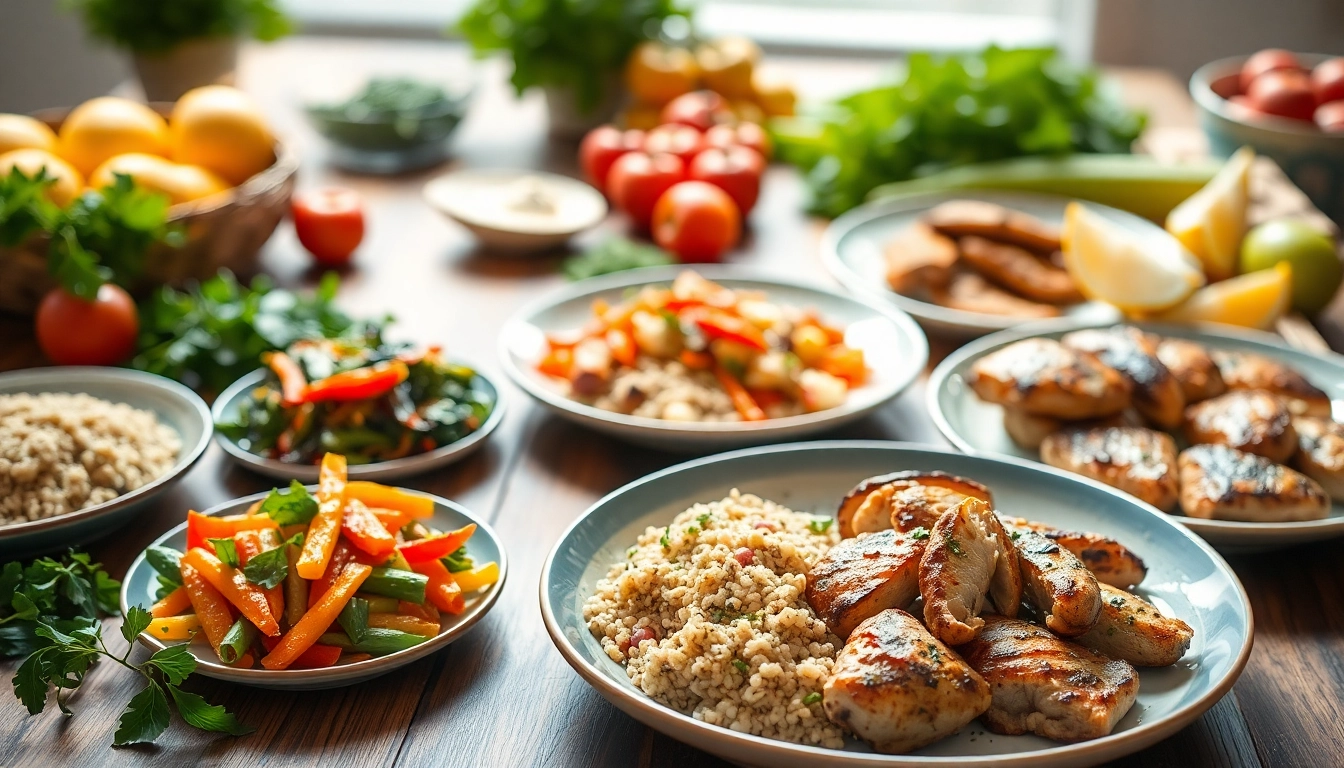
When crafting a diet plan for PCOS, focus on incorporating the following food groups:
- Whole Grains: Foods like quinoa, brown rice, and barley are excellent for managing blood sugar levels.
- Lean Proteins: Chicken, turkey, fish, tofu, and legumes can be beneficial as they help keep you full longer.
- Healthy Fats: Avocados, nuts, seeds, and olive oil support hormone health and reduce inflammation.
- Fruits and Vegetables: Prioritize high-fiber varieties like leafy greens, berries, and cruciferous vegetables.
Building Your PCOS Meal Plan
1. Meal Planning Basics and Strategies
A structured approach to meal planning is essential for managing PCOS effectively. Here are some strategies:
- Meal Frequency: Aim for smaller, more frequent meals throughout the day to maintain stable blood sugar levels.
- Batch Cooking: Preparing meals in advance can save time and ensure that healthy options are readily available.
- Portion Control: Pay attention to portion sizes to avoid overeating, which can exacerbate PCOS symptoms.
- Stay Hydrated: Drink plenty of water throughout the day to maintain optimal hydration levels, which can support metabolic functions.
2. Sample Day in a PCOS Meal Plan
A sample daily meal plan might look like this:
- Breakfast: Overnight oats topped with berries and a spoonful of almond butter.
- Snack: A small bowl of Greek yogurt with nuts.
- Lunch: Quinoa salad with mixed greens, cherry tomatoes, cucumber, and grilled chicken drizzled with olive oil.
- Snack: Hummus with carrot sticks.
- Dinner: Baked salmon with steamed broccoli and sweet potatoes.
3. Grocery List for Your PCOS Meal Plan
Creating an effective grocery list can simplify your shopping experience. Here’s what to consider including:
- Whole grains (quinoa, brown rice)
- Leafy greens (spinach, kale)
- Protein sources (chicken, fish, beans)
- Healthy fats (olive oil, avocados)
- Fruits (bananas, berries, apples)
- Vegetables (carrots, bell peppers, broccoli)
Macronutrient Breakdown for PCOS
1. Importance of Protein in PCOS
Protein is a vital macronutrient for those managing PCOS. Including adequate protein at each meal helps regulate insulin levels and provides satiety. Sources such as lean meats, fish, eggs, and plant-based proteins like legumes should be prioritized in any meal plan.
2. Healthy Fats and Carbohydrates
Not all fats are created equal. Healthy fats, such as those found in fish, nuts, and olive oil, are anti-inflammatory and supportive of hormone function. Conversely, prioritize complex carbohydrates over refined ones to avoid blood sugar spikes. Examples include whole grains and legumes that provide slow-releasing energy without adversely affecting insulin levels.
3. Fiber-Rich Foods That Support Hormone Balance
Fiber plays a significant role in regulating hormones and improving digestive health. High-fiber foods like vegetables, fruits, whole grains, and legumes can help maintain a healthy weight and alleviate constipation, which is a common issue for those with PCOS. Aim to incorporate at least 25-30 grams of fiber daily.
Common Mistakes to Avoid in Your PCOS Meal Plan
1. Skipping Meals: Why It Can Hurt
Many individuals believe that skipping meals can help with weight loss; however, this can lead to blood sugar fluctuations and increased cravings. Regular meals stabilize energy levels and improve metabolism.
2. Overlooking Portion Sizes
Even healthy foods can contribute to weight gain if consumed in excess. It’s important to be mindful of portion sizes to ensure that caloric intake aligns with your health goals.
3. Ignoring Symptom Triggers
Everyone with PCOS may have unique triggers. Keeping a food diary can help identify particular foods that exacerbate symptoms. This information is vital for tailoring a pcos meal plan that works specifically for you.
FAQs About PCOS Meal Plans
1. Can I have desserts in a PCOS meal plan?
Yes, you can enjoy desserts occasionally. Opt for healthier versions that use natural sweeteners and whole ingredients.
2. How often should I eat with a PCOS meal plan?
Eating 5-6 small meals throughout the day helps maintain stable blood sugar and energy levels.
3. What snacks are good for a PCOS meal plan?
Healthy snacks include raw vegetables with hummus, nuts, Greek yogurt, or fruit with nut butter.
4. Is exercise important with a PCOS meal plan?
Yes, regular exercise helps regulate insulin levels, manage weight, and reduce stress, all of which benefit PCOS management.
5. How do I adjust my meal plan if I want to lose weight?
Focus on reducing portion sizes, increasing physical activity, and prioritizing whole, unprocessed foods in your meals.