
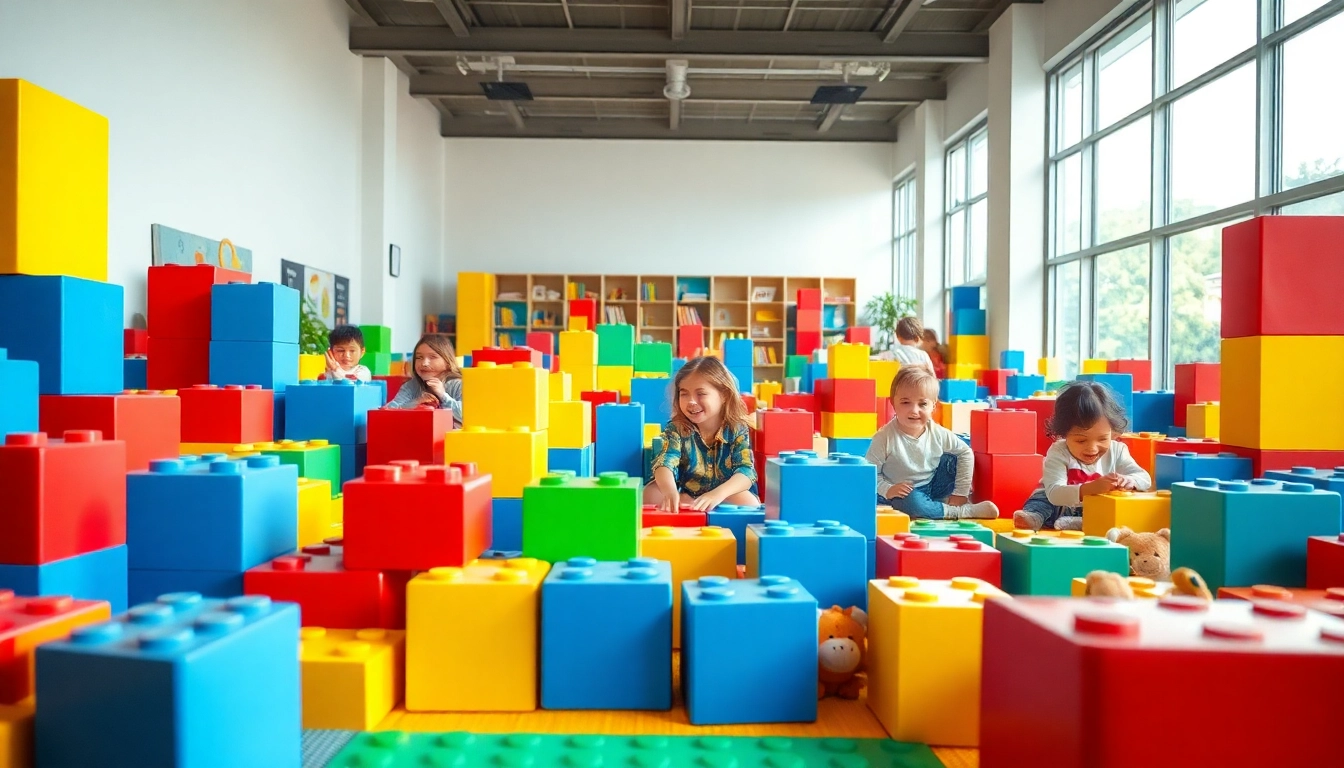
Introduction to Giant Building Blocks
In the realm of children's play, few toys can match the versatility and imaginative potential of giant building blocks. These oversized blocks open up a world of creative possibilities that stimulate cognitive development and physical coordination. The tactile experience they provide encourages children to explore architectural concepts while having fun. For additional information on how to integrate giant blocks into your child's playtime, read on!
What Are Giant Building Blocks?
Giant building blocks are large, lightweight modular units designed for children to stack, build, and create any structure imaginable. They come in various materials such as high-density foam, plastic, or wood, each chosen for durability and safety. The size is often scaled for young hands, encouraging toddlers and older children alike to engage in activities that boost their physical and mental growth. With vibrant colors and engaging shapes, these blocks can transform any space into a playground.
Benefits of Playing with Giant Blocks
The benefits of playing with giant building blocks extend far beyond mere enjoyment. Engaging with these blocks assists in developing various skills:
- Motor Skills: Children refine their fine and gross motor skills as they lift, stack, and balance the blocks.
- Spatial Awareness: Building with blocks enhances spatial reasoning, helping children visualize how different components fit together.
- Problem-Solving: Creating stable structures requires thoughtful consideration and experimentation, building critical thinking skills.
- Social Skills: Collaborative block play fosters teamwork and communication among peers, essential skills for their social development.
Key Features to Look For
When selecting giant building blocks, consider the following features to maximize their educational value and safety:
- Material Quality: Opt for non-toxic, durable materials that can withstand frequent use.
- Size and Weight: Blocks should be large enough to be handled safely by young children but light enough to avoid injury.
- Variety of Shapes: Different shapes can inspire creativity and facilitate diverse building techniques.
- Easy Clean-up: Look for options that can be easily wiped clean or disinfected, essential for hygiene.
Creating an Engaging Play Space
Choosing the Right Location
The location of your giant block play area is crucial for maximizing engagement and safety. Ideal spaces can include:
- Indoor Playrooms: A dedicated room equipped with soft flooring can enhance safety during play.
- Backyards: If choosing an outdoor option, ensure a flat surface with shade to promote good weather play.
- Community Centers: Utilizing public spaces can encourage group play and community involvement.
Design Ideas for Indoor Adventures
Designing an engaging indoor space for giant building blocks involves creativity and a consideration for safety. Think beyond just the blocks:
- Themed Zones: Create areas that represent different environments—like castles, cities, or jungles.
- Accessory Areas: Incorporate items like plush mats, cushions, or tunnels that encourage imaginative play.
- Flexible Layouts: Use movable furniture to adjust the play space based on the activity or number of children.
Safety Considerations
Safety should always be a priority when setting up a play area. Consider the following:
- Ensure the flooring is cushioned to prevent injuries during falls.
- Maintain a tidy area to prevent tripping hazards from loose blocks or other toys.
- Regularly inspect the blocks for wear and tear to avoid any choking hazards or broken pieces.
Organizing Activities with Giant Building Blocks
Group Play vs. Solo Play
Giant building blocks are versatile enough to allow for both group and solo play. Each has its unique advantages:
- Group Play: Enhances social skills, encourages teamwork, and allows for collaborative projects that can be scaled with additional blocks.
- Solo Play: Fosters independence and self-exploration, allowing children to develop personal creativity and problem-solving skills.
Suggested Games and Challenges
Incorporating games can enrich the experience with giant blocks:
- Building Challenges: Set specific themes or objectives (e.g., building the tallest tower, creating a bridge).
- Obstacle Courses: Use blocks to layout physical challenges, leading children to navigate through their structures.
- Storytime Structures: Encourage children to build scenes from their favorite stories, bridging literature with play.
Incorporating Educational Elements
Integrating learning into play helps reinforce valuable skills. Here are ways to fuse education with fun:
- Mathematics: Use blocks to teach counting, basic addition, or understanding shapes.
- Science Concepts: Introduce basic physics principles such as balance, gravity, and weight distribution through building experiments.
- Art and Design: Encourage aesthetic choices in design, pushing creativity while developing an eye for structure and color.
Maintaining and Storing Your Blocks
Cleaning and Care Tips
Maintenance prolongs the life of your giant building blocks. Here are essential care tips:
- Wipe down blocks regularly with a mild soap solution to keep them hygienic.
- Use disinfectant wipes after play sessions, especially during cold and flu seasons.
- Store blocks in a dry area to prevent mold growth or deterioration.
Optimal Storage Solutions
Finding a suitable storage solution helps keep the play area organized:
- Baskets or bins: Use these to transport blocks easily, encouraging children to clean up after play.
- Wall racks: If space is a concern, consider wall-mounted options for vertical storage.
- Labeling: Clearly label storage areas to teach children responsibility for their play materials.
Replacing Worn Out Blocks
Replacement is essential to ensure safety and continued play value. Look for:
- Signs of wear such as cracks, chips, or fading color.
- Reputable brands that offer replacement parts for loss or damage.
- Innovative designs that continue to challenge children's creativity as they grow.
Expanding the Play Experience
Integrating Other Toys and Props
Enhancing block play with additional toys can lead to richer experiences:
- Action Figures: Children can create stories and scenarios that involve their beloved toys.
- Vehicles: Use toy cars or trains to navigate the structures that children build.
- Art Supplies: Allow kids to personalize their blocks with safe, washable paints or stickers.
Innovative Themes and Role Play
Introducing themes can promote imaginative thinking:
- Fantasy Worlds: Encourage children to build castles or spaceship designs, diving into imaginative realms.
- Career-Based Play: Set up scenarios where children can play different roles, using blocks to represent elements relevant to those careers.
- Seasonal Themes: Decorate blocks or set challenges that align with festivals or holidays, blending cultural education with play.
Connecting with Community Events
Engaging with the community can bolster the experience of block play:
- Organize building competitions at local parks or community centers, bringing kids together for creative collaborations.
- Invite local artists or educators to host workshops that guide creative block usage and group challenges.
- Participate in holiday events where block building can create interactive displays or installations for the community.
FAQs
How do giant building blocks benefit child development?
Playing with giant blocks enhances motor skills, fosters creativity, and encourages social interaction among children.
What age group is suitable for giant building block play?
Giant building blocks are designed for a wide range of ages, typically from toddlers to school-aged children, ensuring fun for everyone.
Can giant blocks be used outdoors?
Yes, many giant building blocks are suitable for both indoor and outdoor use; however, check product guidelines for outdoor safety.
What materials are giant building blocks made from?
Most giant building blocks are made from high-density foam, plastic, or wood, ensuring they are safe and durable for play.
How can I clean and maintain my giant building blocks?
Cleaning giant blocks involves wiping them with a mild soap solution, ensuring they remain hygienic for your children.