Understanding Containerized Wastewater Treatment Systems
In an age where environmental considerations are paramount, the need for efficient and adaptable wastewater treatment solutions has never been more pressing. Containerized wastewater treatment systems stand out as innovative, cost-effective solutions that have gained traction across various industries. These pre-engineered units not only fulfill the essential role of treating wastewater but do so with remarkable speed and flexibility, making them ideal for both temporary and permanent installations. When exploring options, Wastewater Treatment System Manufacturers can provide comprehensive insights into the best practices and features of these systems.
What Are Containerized Wastewater Treatment Systems?
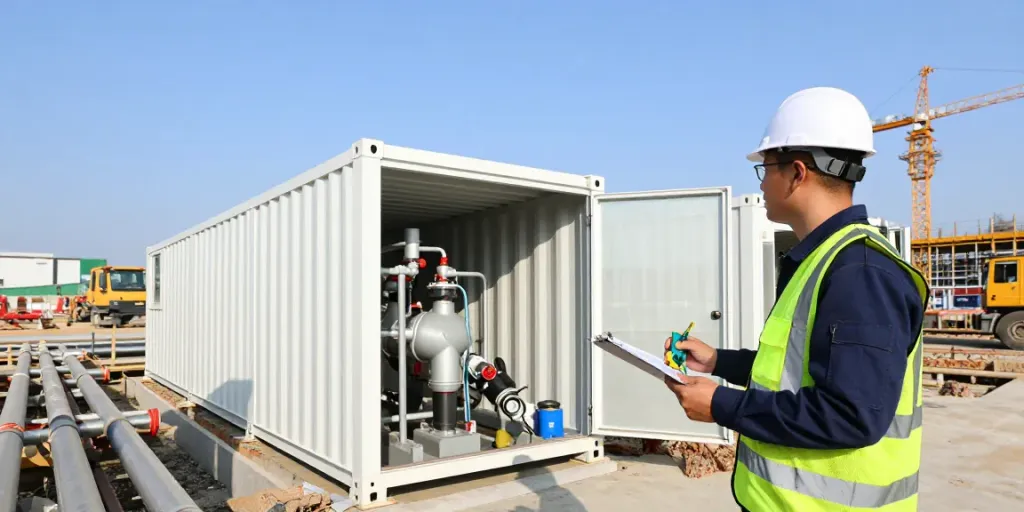
Containerized wastewater treatment systems are modular systems designed to treat sewage and other effluents in a compact, transportable format. Typically housed within standard shipping containers—either 20 or 40 feet in length—these systems come fully assembled, offering a plug-and-play solution that requires minimal site preparation. This characteristic is particularly appealing for municipalities and industries that need quick setups, such as construction sites, temporary facilities, or disaster response situations.
Key Components of Modular Units
These systems are engineered with several key components that facilitate comprehensive treatment processes, including:
- Pre-treatment units: These remove larger solids and debris to protect downstream treatment processes.
- Biological treatment systems: Utilizing aeration and biological media, these systems promote the growth of microorganisms that break down organic matter.
- Filtration units: Fine filters or membranes ensure the removal of smaller particles and pathogens.
- Disinfection systems: These utilize methods such as UV light or chemical treatments to eliminate harmful microorganisms.
Applications Across Industries
Containerized wastewater treatment systems find utility in a multitude of environments, including:
- Industrial facilities: Treating process water and effluent from manufacturing operations.
- Construction sites: Providing temporary wastewater treatment during building projects.
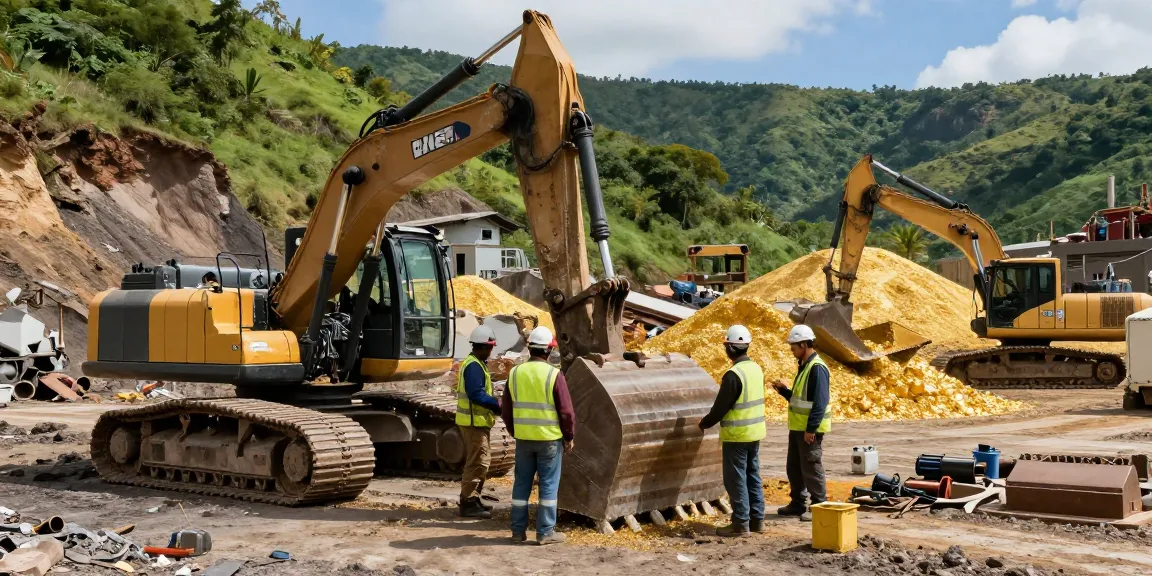
- Remote locations: Serving areas without established infrastructure, such as mining operations or refugee camps.
- Municipal applications: Assisting small communities or emergency settings where traditional plants are not available.
Advantages of Choosing Containerized Solutions
Rapid Deployment Benefits
One of the primary advantages of containerized systems is their speed of deployment. These units can typically be transported via flatbed trucks and require just one to two days for setup and commissioning. This rapid turnaround makes them invaluable for projects with tight timelines or in situations requiring immediate intervention, such as flood relief efforts.
Operational Flexibility and Efficiency
Containerized systems offer exceptional operational flexibility. They can be deployed as standalone units or integrated into larger treatment facilities, allowing for scalability as needs evolve. Their modular nature means that adding more units is straightforward, catering to fluctuating wastewater volumes without significant downtime or capital expenditure.
Compliance with Environmental Standards
Modern containerized systems are designed to comply with local and international environmental regulations, ensuring that effluents are treated to acceptable standards before discharge. This includes meeting specific requirements for nutrient removal, chemical oxygen demand (COD), and pathogen levels. Manufacturers have invested in technology and processes that not only ensure compliance but also promote the reuse of treated water, furthering sustainability goals.
Challenges Faced by Wastewater Treatment System Manufacturers
Addressing Common Misconceptions
Despite their many advantages, misconceptions about containerized treatment solutions persist. Some believe that these systems are only suitable for small-scale applications. However, advancements in technology mean that containerized systems can effectively handle substantial wastewater volumes. Educating potential clients and the community on the capabilities of these systems is crucial for expanding their adoption.
Technology Integration Obstacles
Integrating advanced technologies, such as IoT-based monitoring and control systems, into containerized solutions can be challenging. Manufacturers must ensure that these technologies are robust enough to operate in diverse environmental conditions while seamlessly interfacing with existing infrastructures.
Cost Considerations in Modular Systems
While initial costs for containerized systems can be higher compared to traditional installations, their overall cost-effectiveness becomes apparent when considering installation time, operational efficiency, and reduced land requirements. Cost-benefit analyses are necessary to fully appreciate the long-term savings associated with these systems.
Best Practices for Implementation and Maintenance
Steps for Successful Deployment
Successful deployment of containerized wastewater treatment systems involves careful planning and execution. Key steps include:
- Site Assessment: Conduct thorough assessments to understand local conditions and regulations.
- Permitting: Obtain necessary permits well in advance to avoid delays.
- Logistics Planning: Ensure transportation and installation logistics are clearly defined and executed.
Regular Maintenance Protocols
To ensure optimal performance, regular maintenance is critical. This includes routine inspections of mechanical parts, cleaning of filtration units, and monitoring chemical dosing systems. Establishing a proactive maintenance schedule can prevent costly downtimes and extend the system's lifespan.
Monitoring and Performance Metrics
Utilizing performance metrics to monitor system efficiency and effluent quality is essential. Advanced systems can incorporate real-time data analytics, allowing for quick adjustments and ensuring compliance with set environmental standards.
Future Trends in Wastewater Treatment Systems
Innovative Technologies on the Horizon
The future of containerized wastewater treatment systems is poised for exciting advancements. Technologies such as membrane bioreactors (MBR) and advanced oxidation processes (AOP) are being integrated to enhance treatment efficiency and minimize environmental impacts. The rise of artificial intelligence (AI) in managing treatment processes is also expected to revolutionize the industry.
Predictions for 2026 and Beyond
By 2026, the demand for containerized wastewater treatment systems is projected to grow significantly, driven by increasing water scarcity issues and stricter environmental regulations. Industries will look for more efficient and sustainable solutions, propelling further innovations in this sector.
How Industry Veterans Are Adapting
Experienced manufacturers are adapting to market demands by investing in research and development, creating hybrid systems that combine traditional and advanced treatment processes. Collaboration with tech companies to incorporate smart technologies will also play a vital role in attracting new clients and retaining existing ones.
What factors influence wastewater treatment system efficiency?
Several factors influence the efficiency of wastewater treatment systems, including the type of treatment technology used, the design of the system, operational practices, and the nature of the influent. Ensuring that systems are tailored to the specific types of wastewater being treated is crucial for maximizing performance.
How are containerized systems compliant with environmental regulations?
Containerized systems meet environmental regulations through their design, which integrates advanced treatment technologies that achieve compliance with discharge limits. Regular testing and monitoring ensure that these systems adapt to changing regulatory landscapes.
What are the best maintenance practices for these systems?
Best maintenance practices include regular inspections, timely repairs, and routine cleaning of components. Establishing a comprehensive maintenance schedule, along with training staff on operational protocols, can significantly enhance system reliability.
Who are the leading manufacturers in the wastewater treatment industry?
The landscape of wastewater treatment system manufacturers includes several key players, including Veolia, SUEZ, and Xylem, known for their innovations and extensive portfolios. Containerized system specialists are also emerging, providing tailored solutions that meet specific client needs.
What innovations are shaping the future of wastewater treatment?
Innovations such as energy-efficient processes, smart monitoring systems, and biotechnological advancements are significantly reshaping the future of wastewater treatment. Emphasizing sustainability and resource recovery will continue to be at the forefront of new product developments.